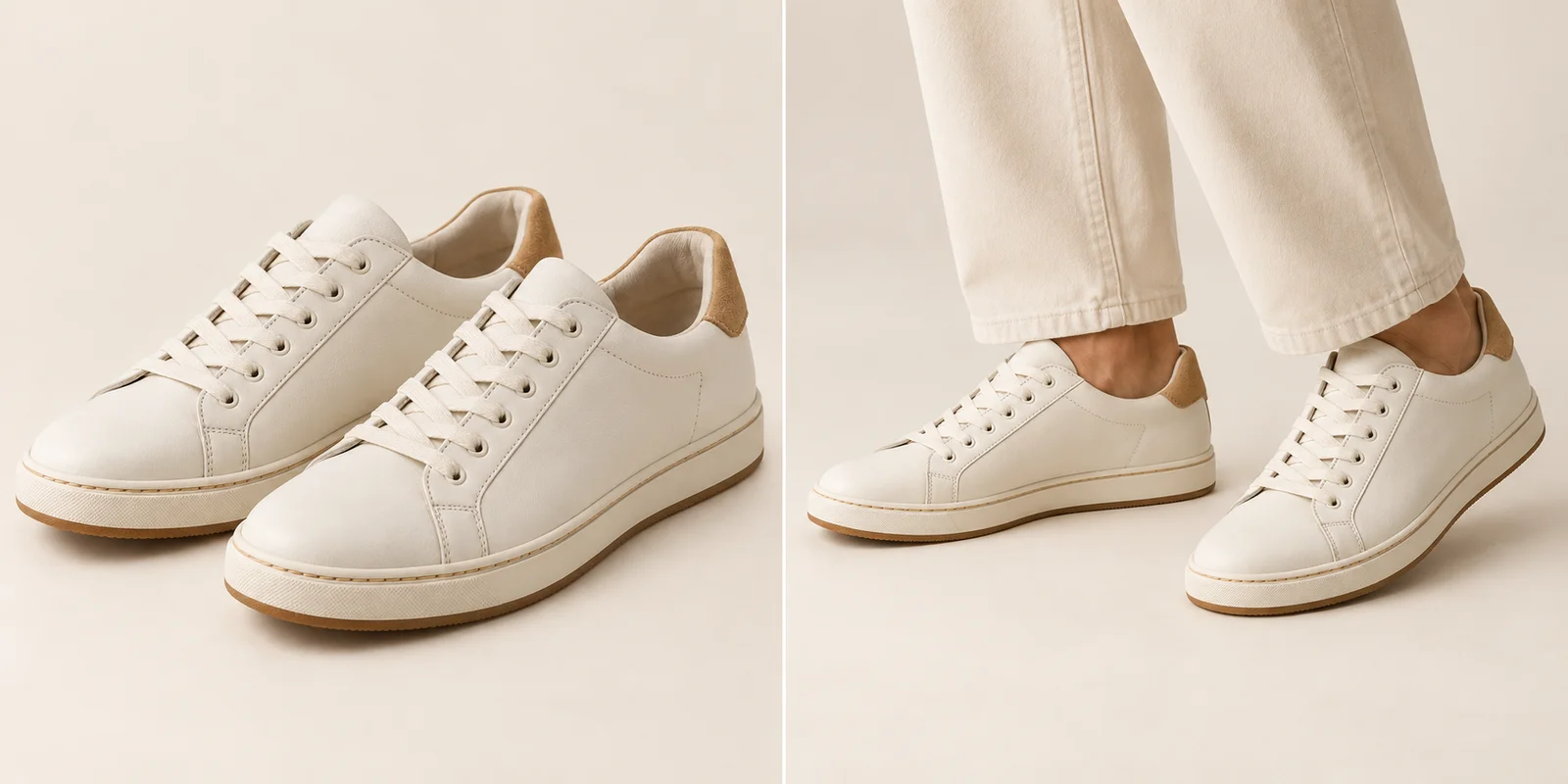
 In focus
Footwear photography
AI Shoe Photos: Keep the Details
A convincing sneaker still needs the right sole, toe and lace construction. Follow the product from clean references to an on-foot scene.
About 5 min readRead story
Fashion, imagery, and the work behind them.
In focusA convincing sneaker still needs the right sole, toe and lace construction. Follow the product from clean references to an on-foot scene.
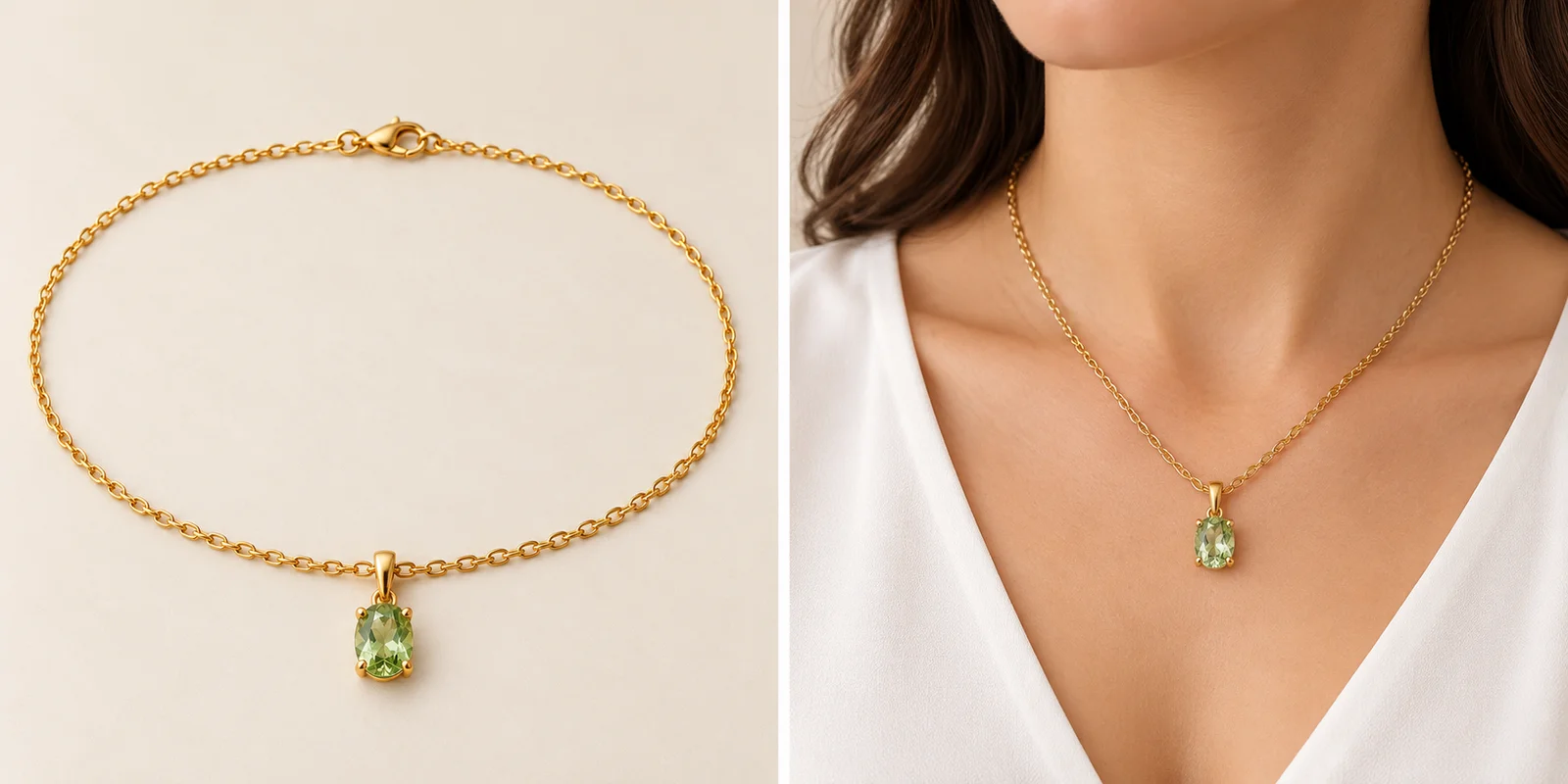
Sparkle is only one part of the picture. Keep the setting, chain and clasp recognizable when a jewelry piece moves from reference to wearing context.
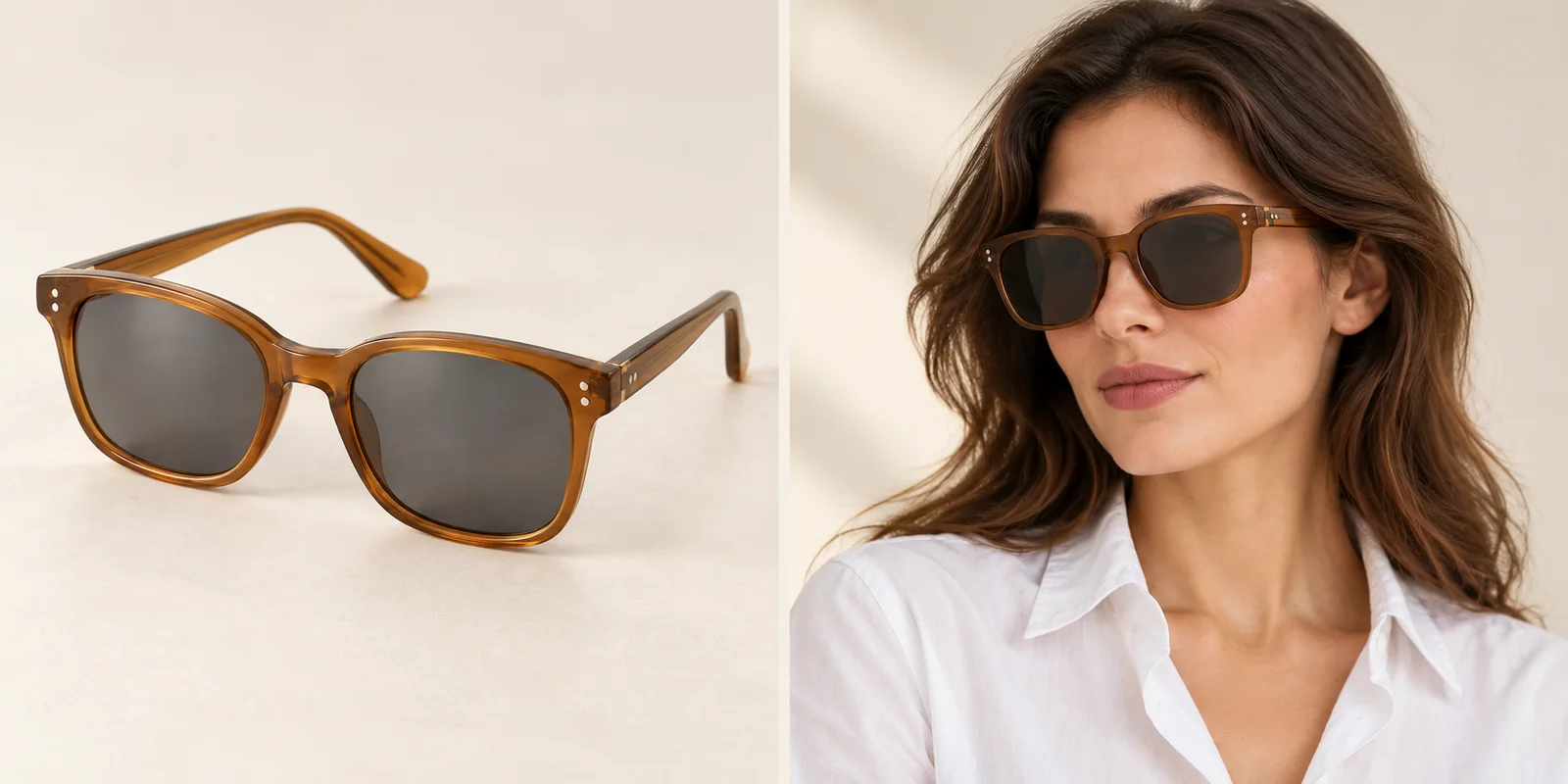
A stylish face is only part of the picture. Keep the frame geometry, small connections and actual lens appearance recognizable.
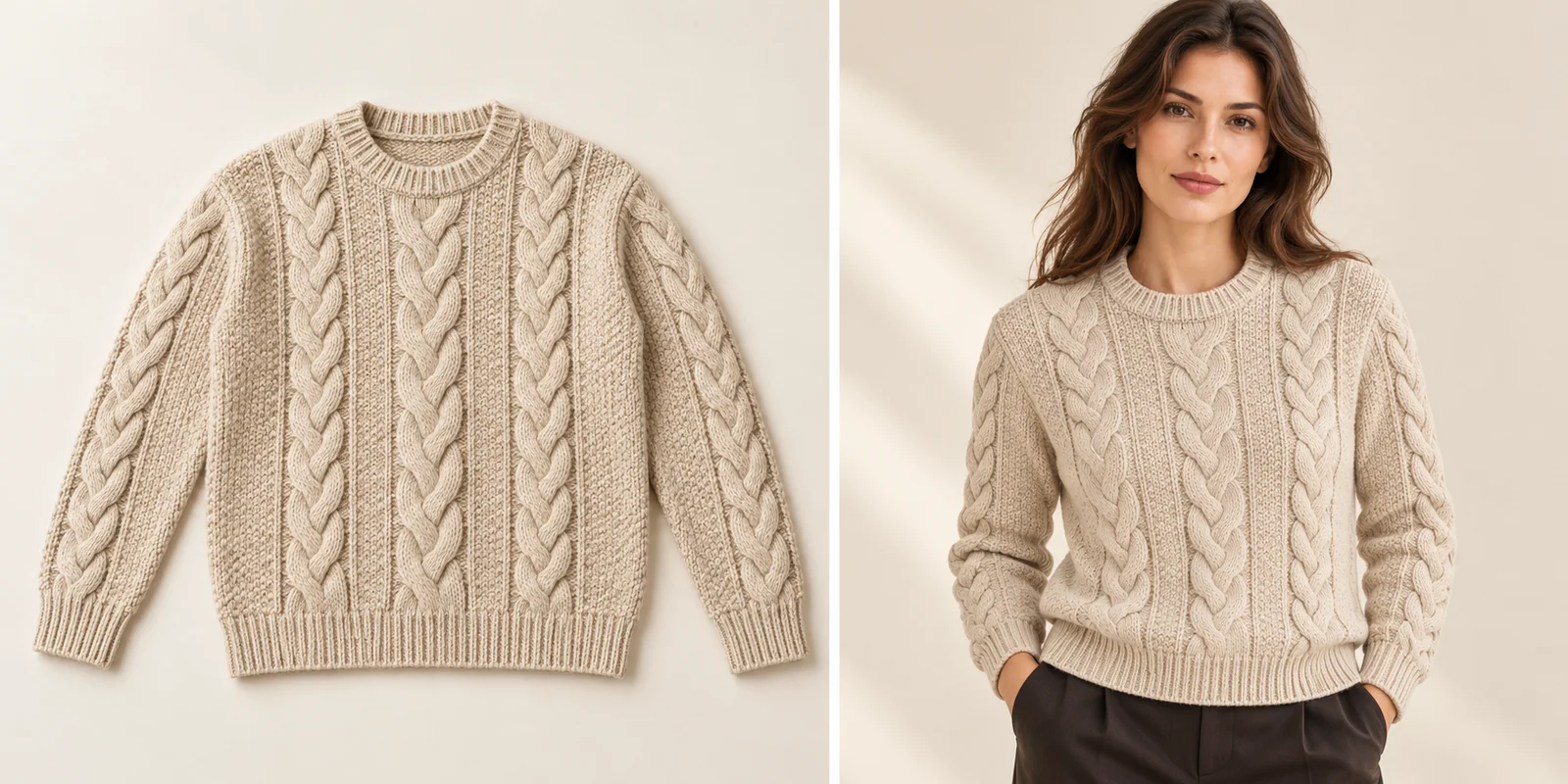
A cream sweater is more than its color. Keep the cable repeats, ribbed edges and joins recognizable when the garment moves into a new scene.
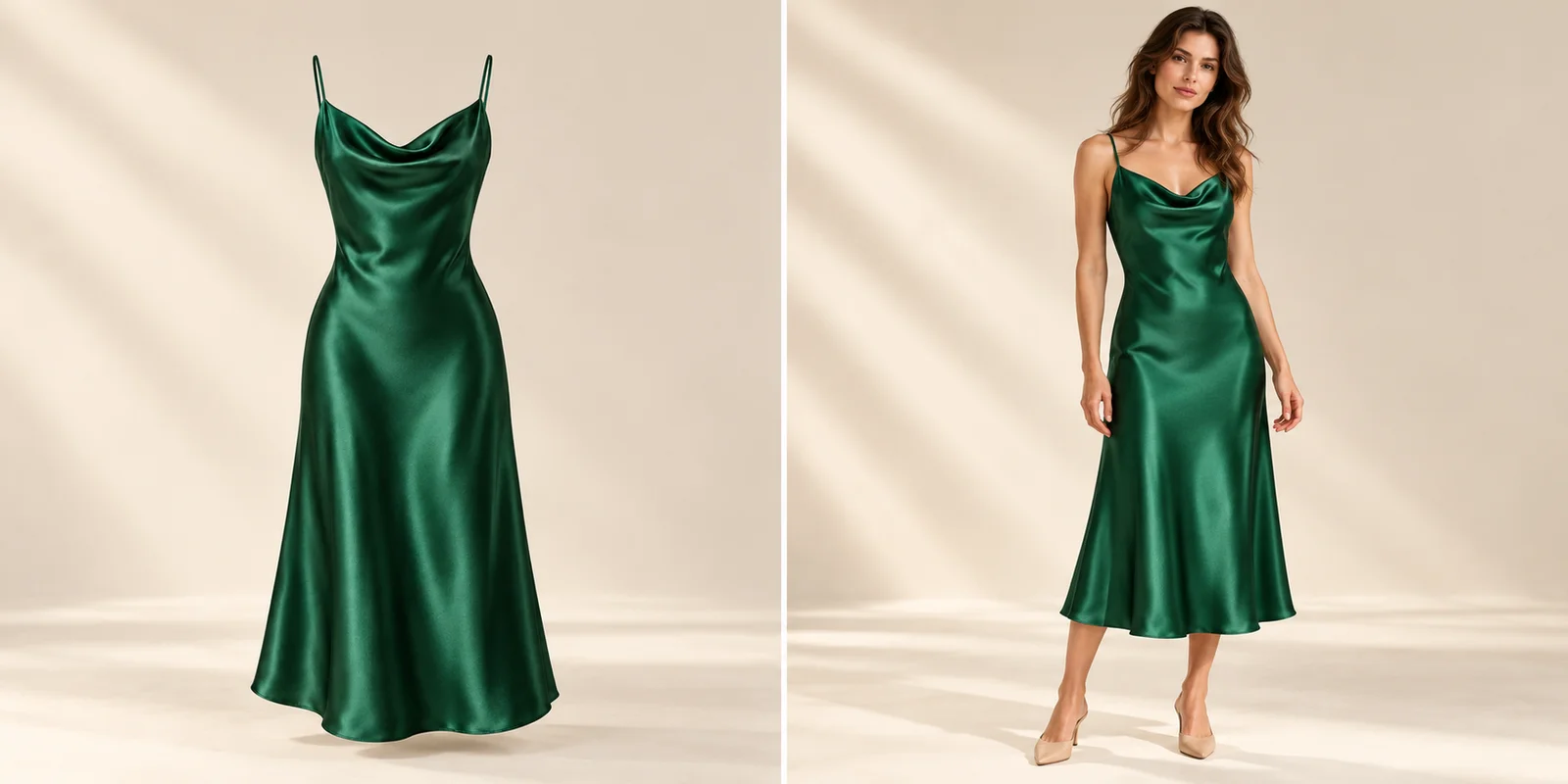
Satin needs more than a glossy surface. Let the highlights follow the real folds while the dress keeps its neckline, seams and silhouette.
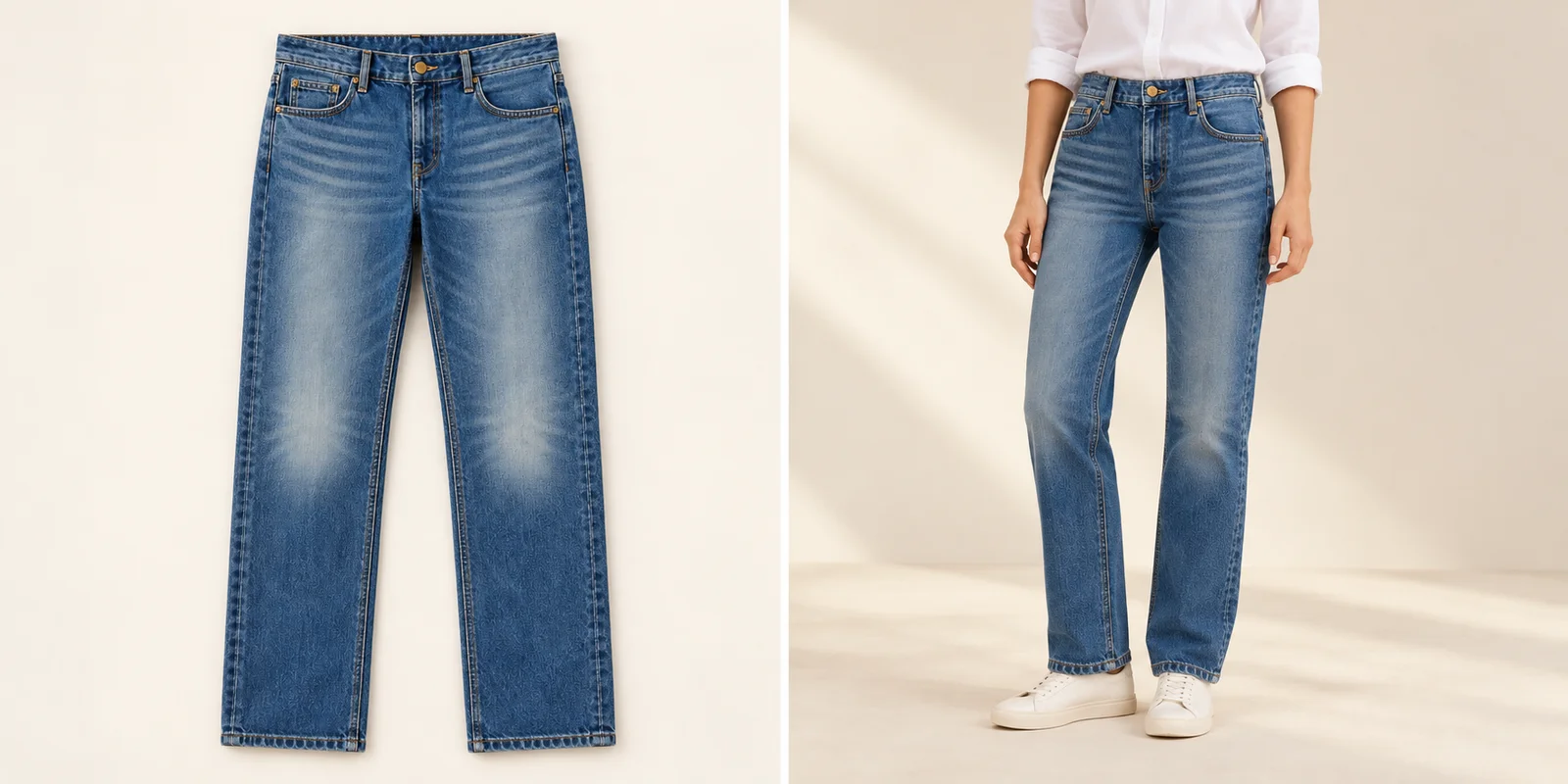
The right shade of blue is only the start. Keep the fade pattern, fabric grain and construction recognizable when your jeans move into a new scene.
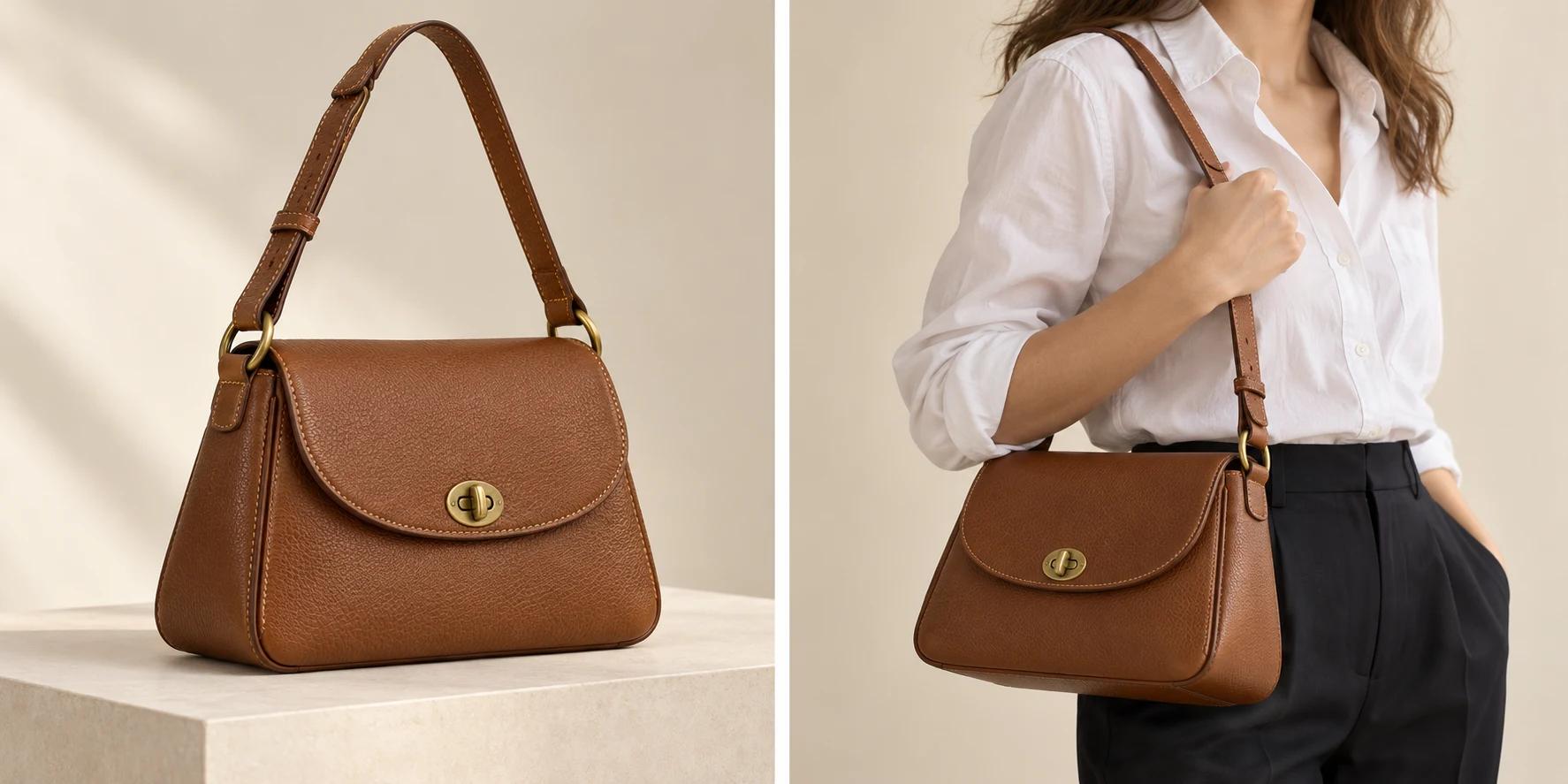
A strong scene starts with the right bag. Keep its shape, straps and hardware recognizable.
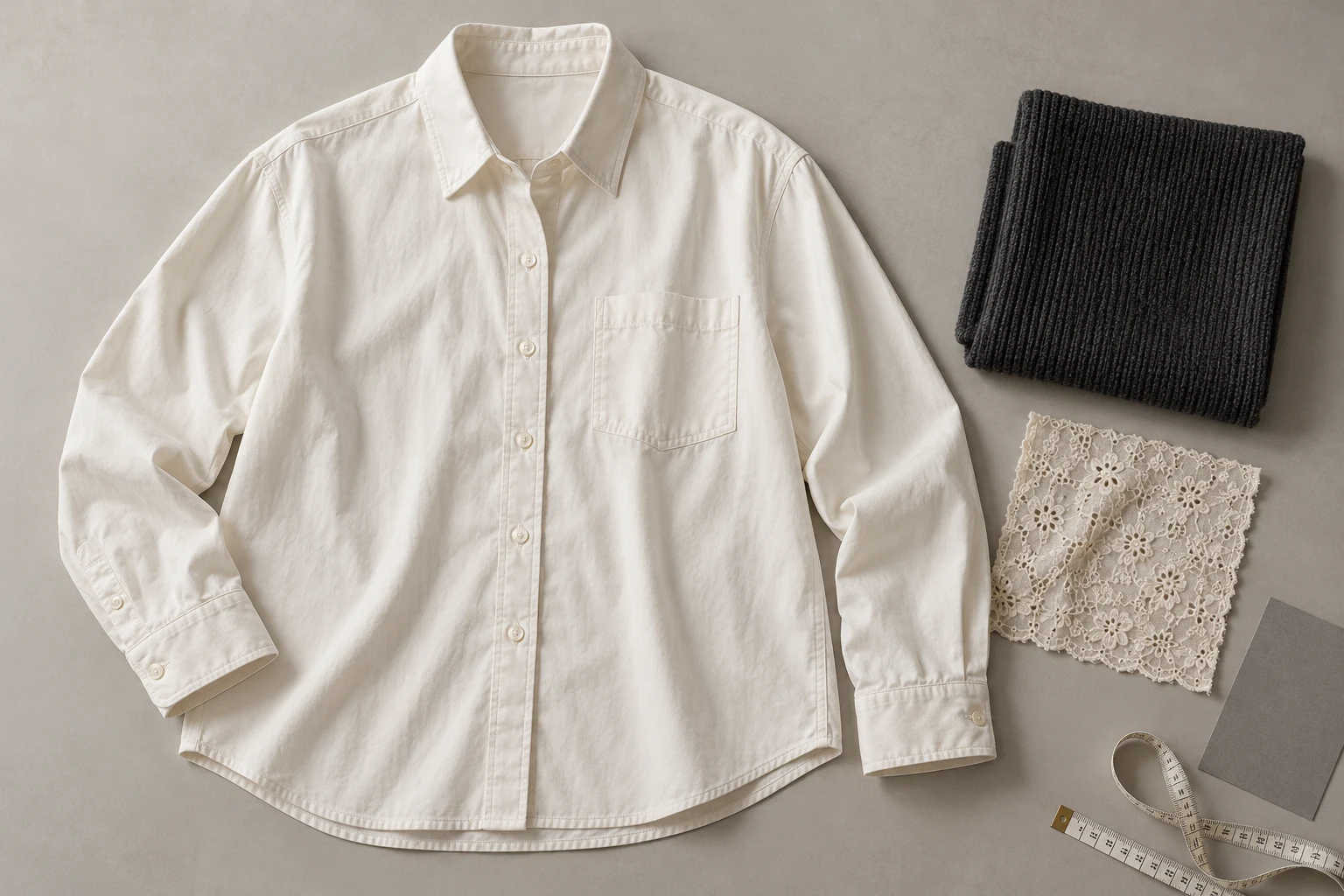
A practical reference kit for turning real clothing into a controlled AI fashion brief, from the first front view to the detail photograph that prevents guesswork.
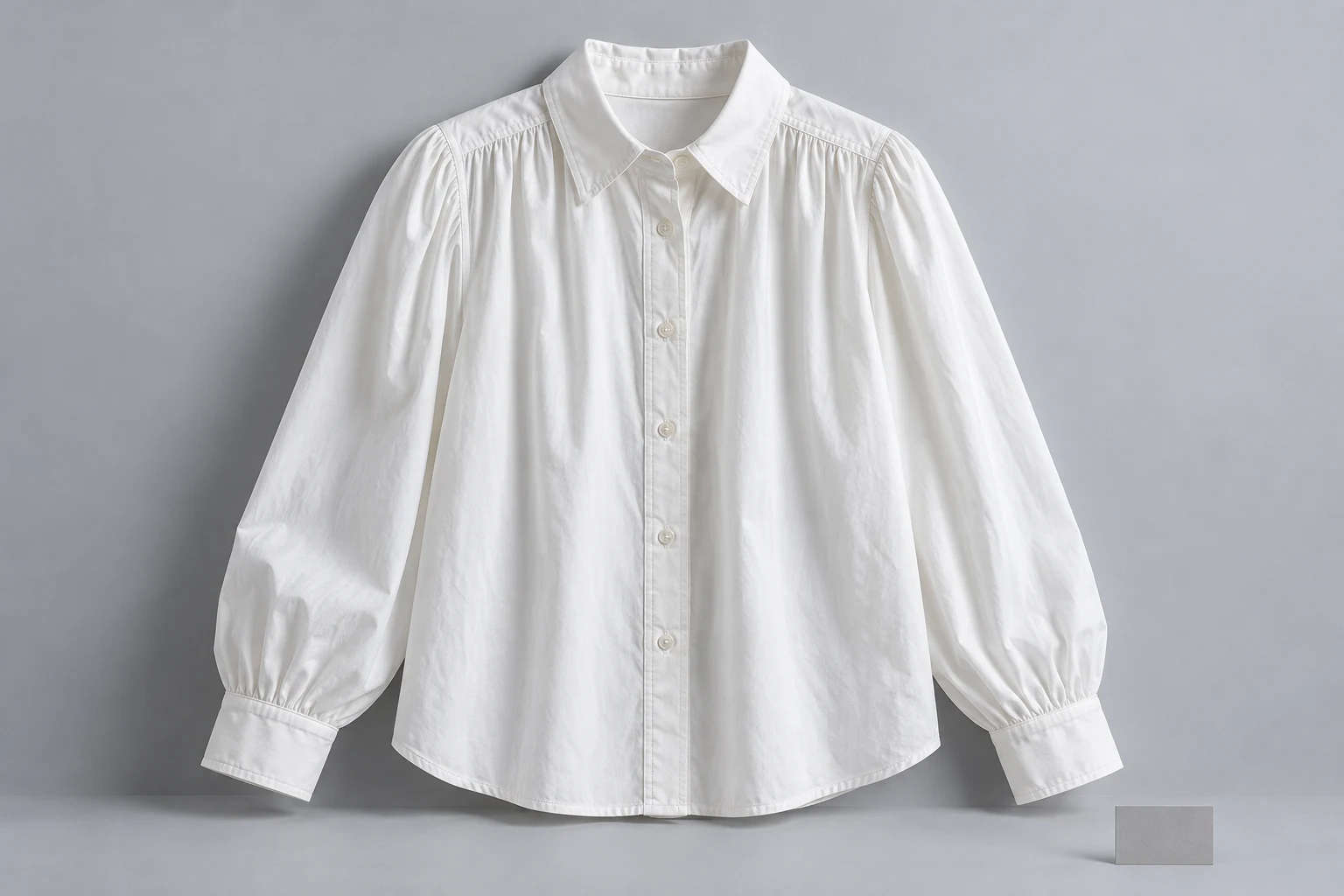
White should remain white without becoming an empty shape. A visual reference and review guide for pale shirts, dresses, and textured fabrics.
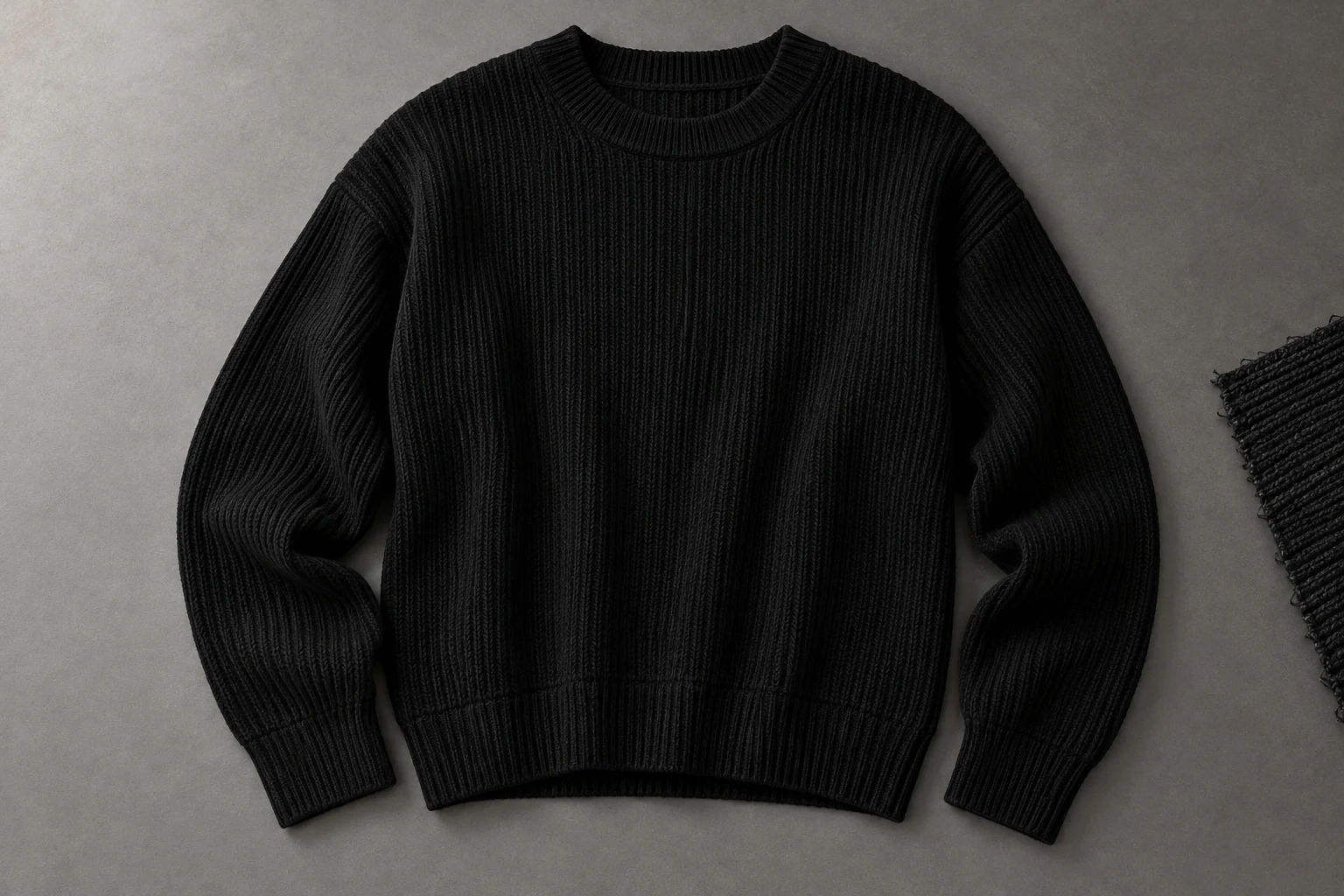
A black sweater can retain its outline while losing the material that makes it the product. Follow the surface, construction, and shadow information.
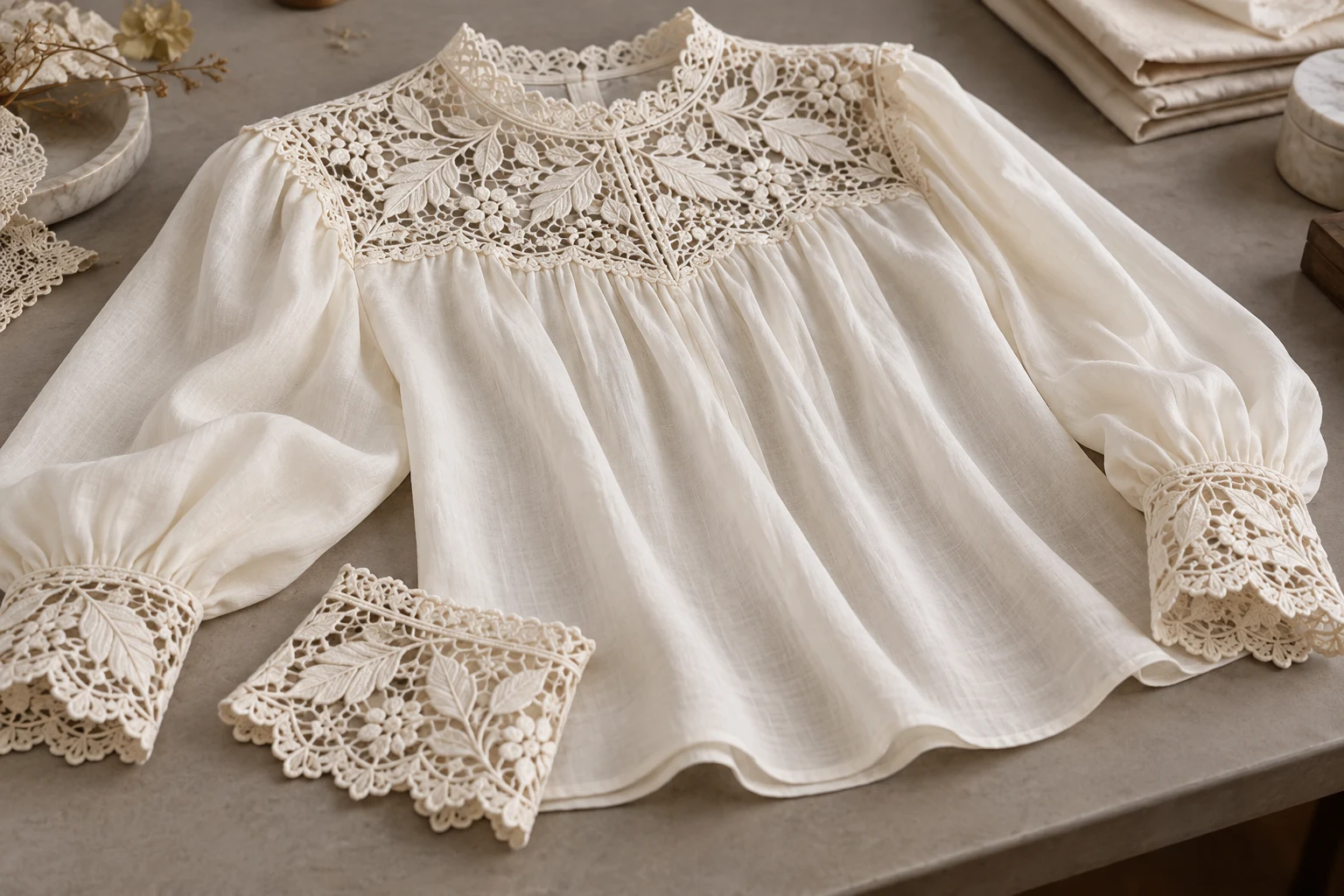
A floral impression is not enough when the design is the product. Build a reference and review plan around openwork, thread relief, borders, and lining.
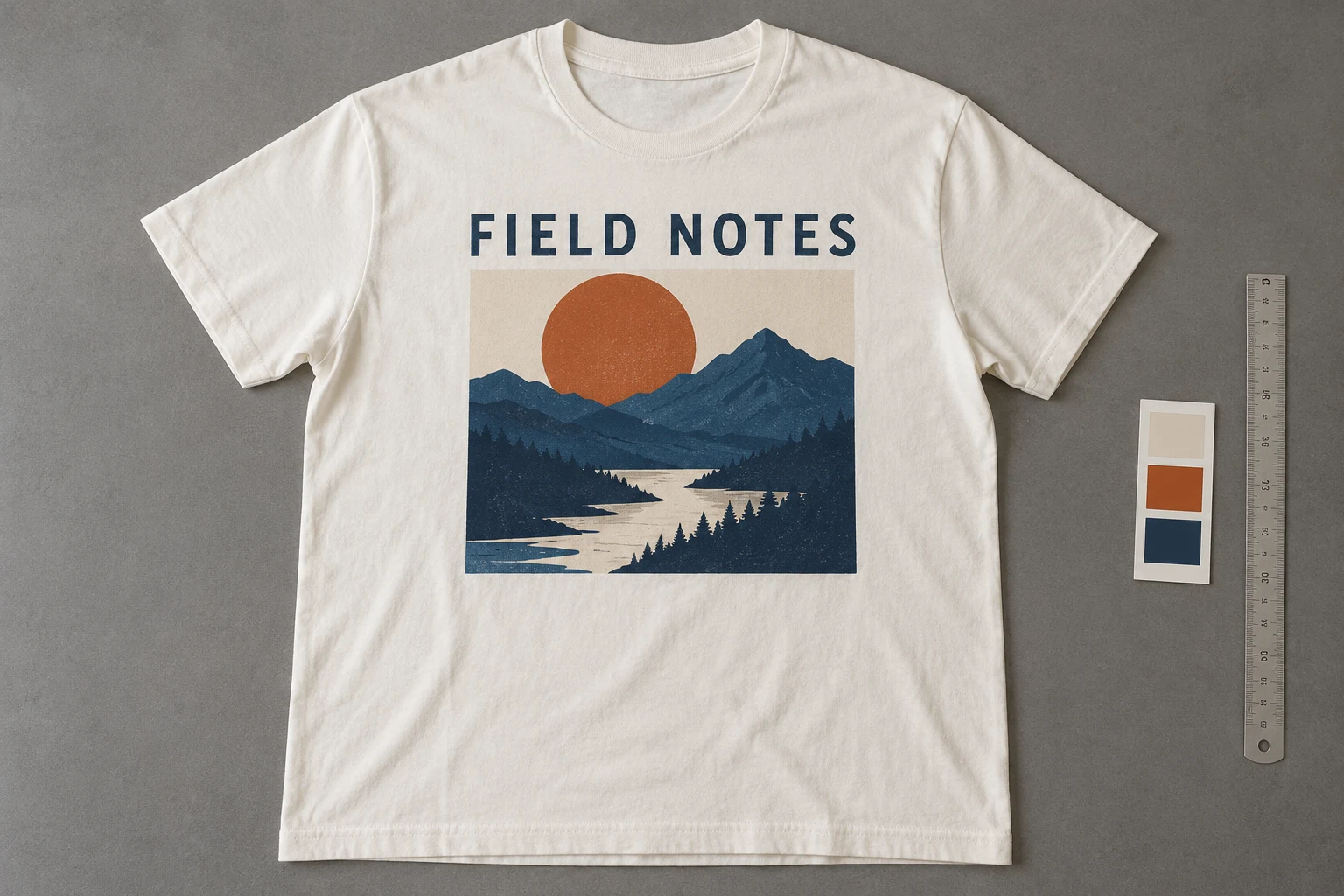
Before reviewing the output, make the print easy to understand. A preparation guide for type, illustration, placement, and the difference between artwork and the manufactured shirt.
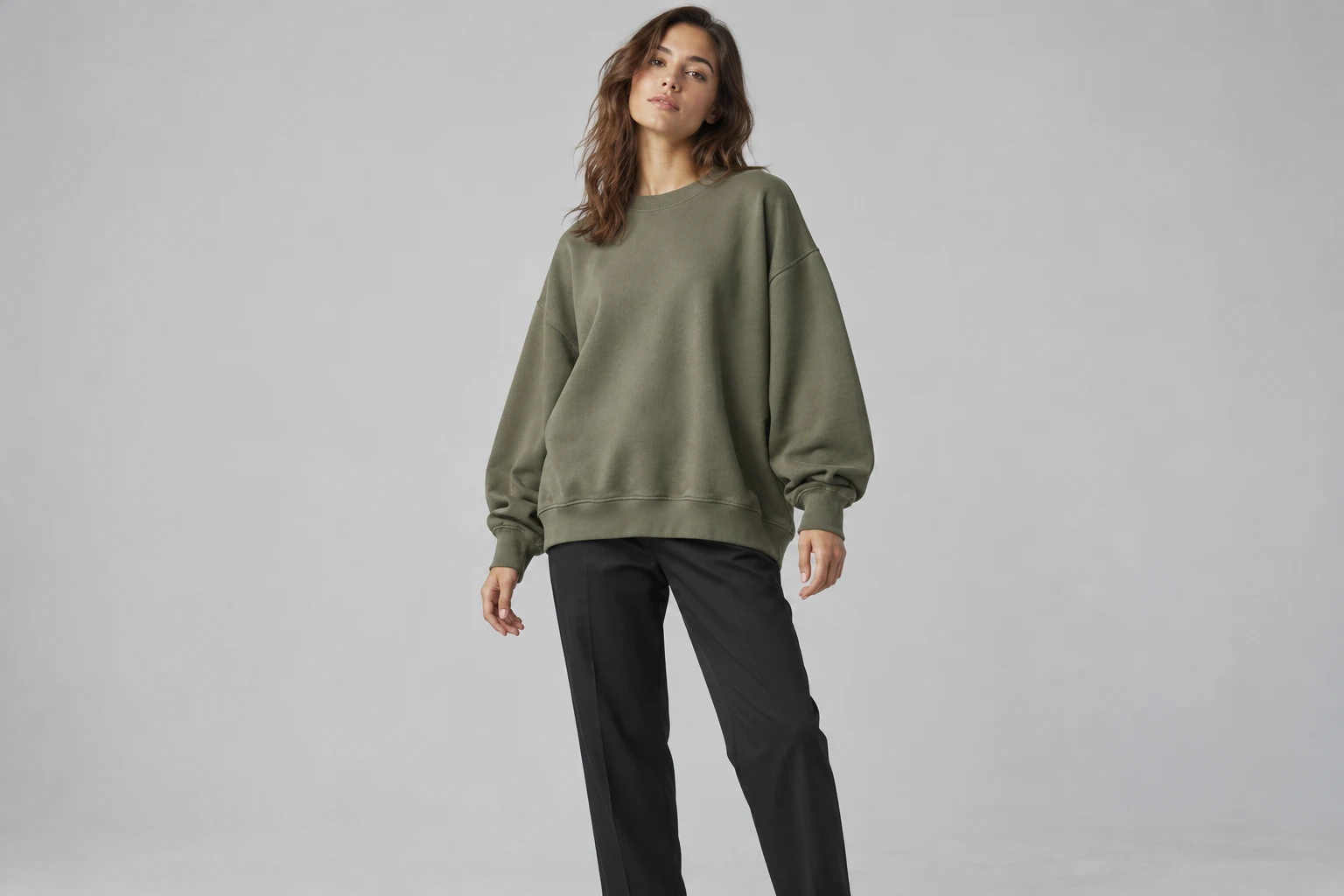
An oversized sweatshirt needs its intended volume, not an invented body or a guessed size. Separate style evidence, product measurements, and creative presentation.
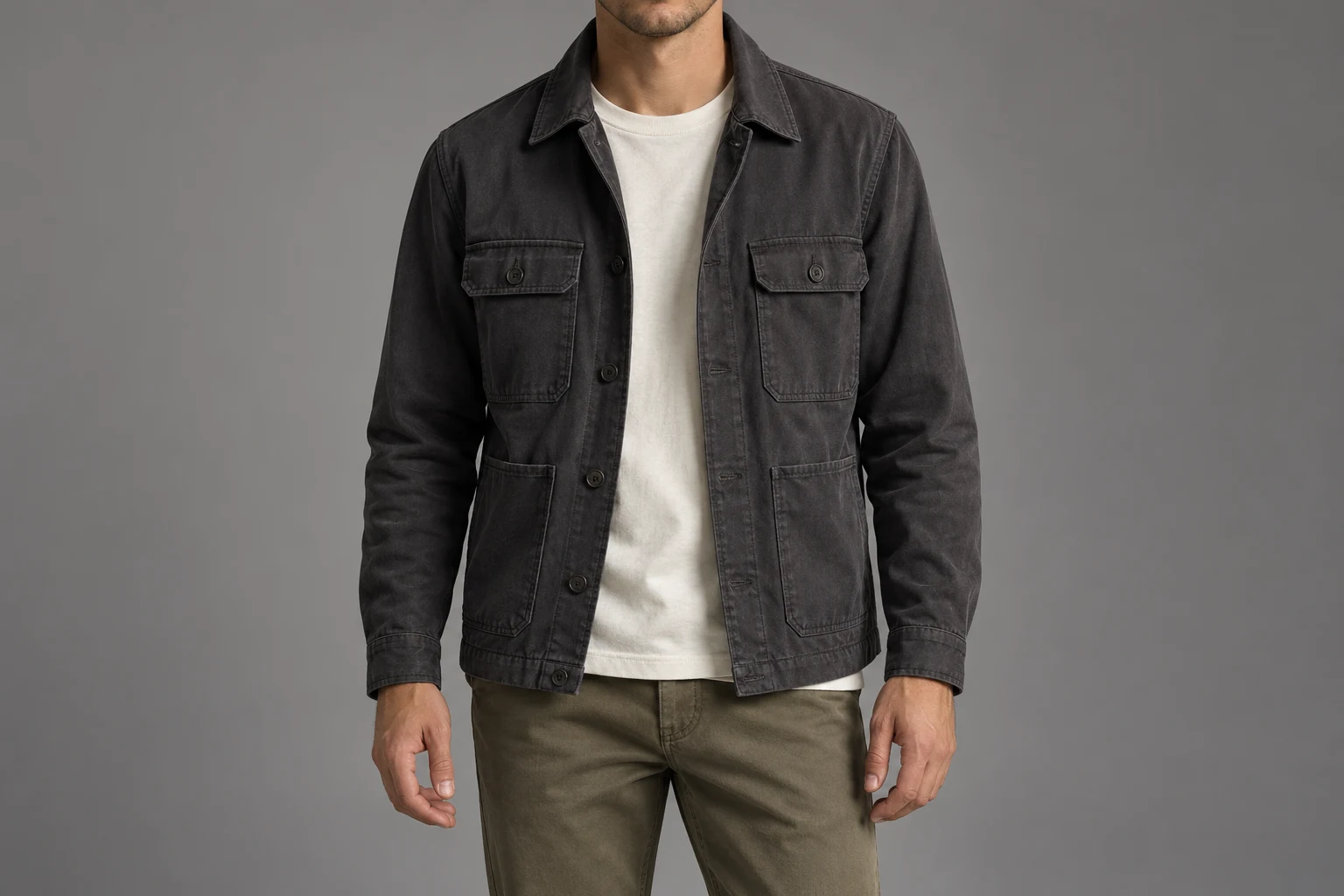
An open jacket and a simple top can become a confusing single garment. Define the layer order, preserve each product, and inspect the boundaries that explain the outfit.
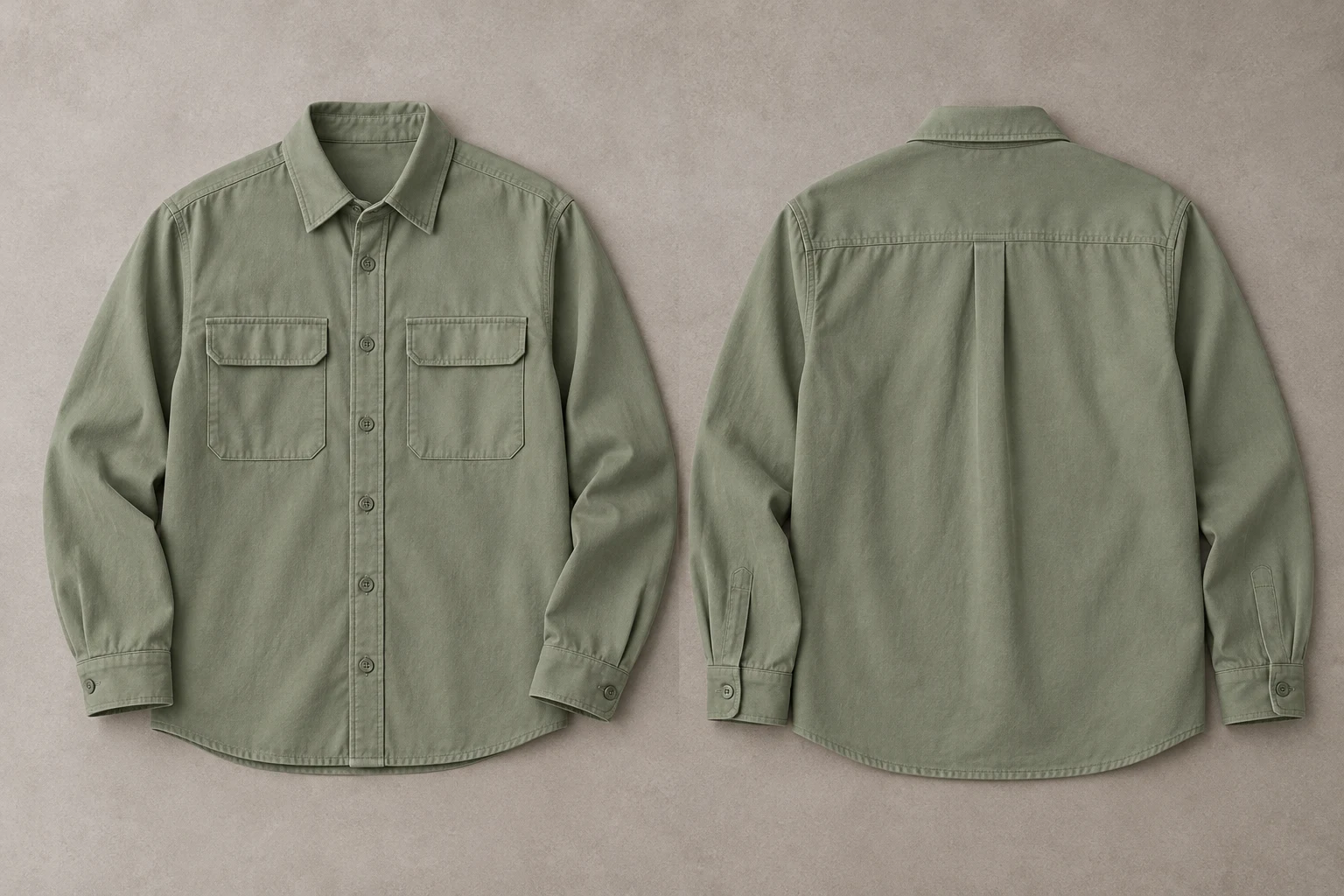
A plausible back view is not necessarily your product’s back. Organize the actual references, identify each side, and review the design across the set.
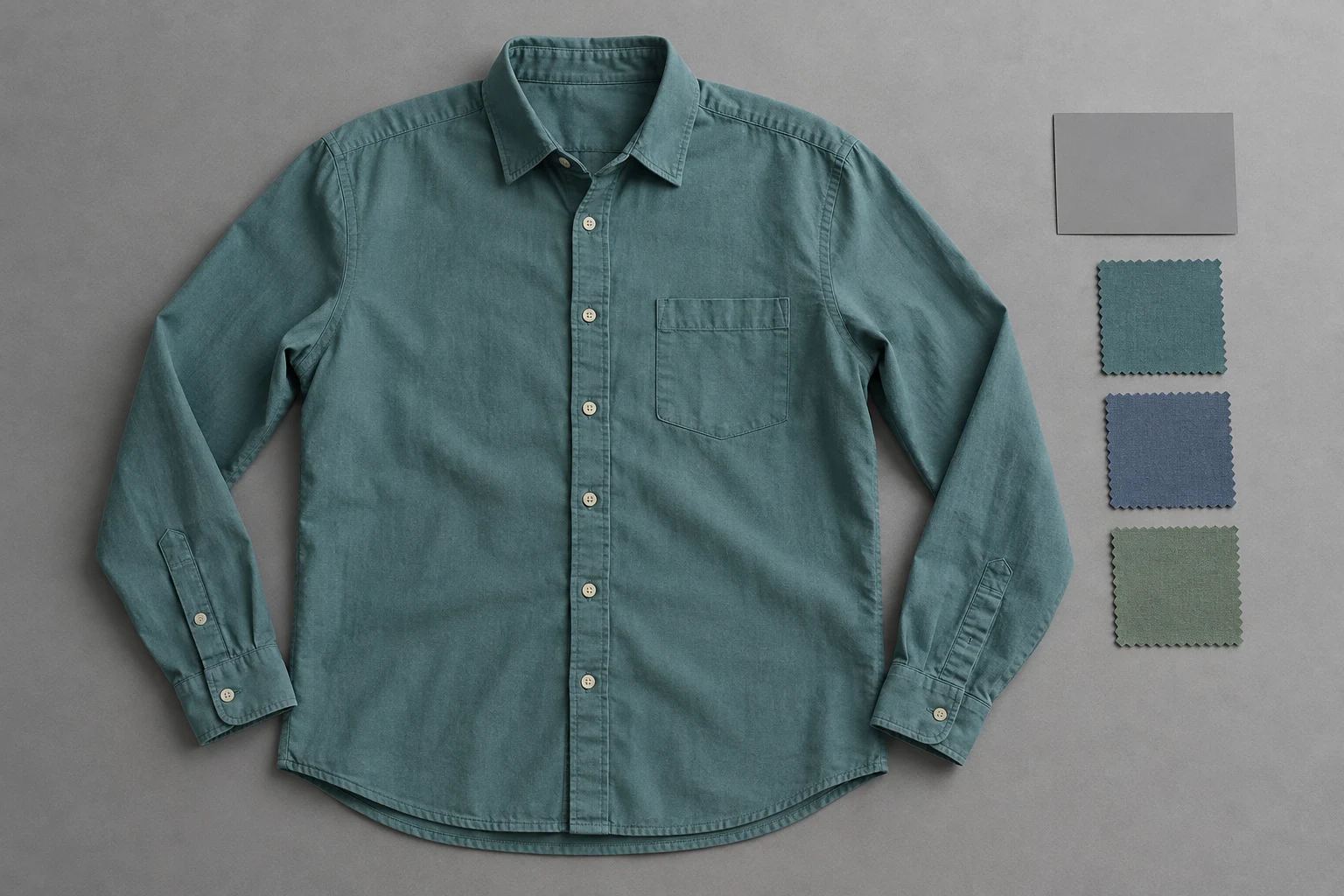
A teal shirt can shift toward blue or green across scenes. Keep a neutral product anchor, understand the lighting change, and review the actual colorway before delivery.
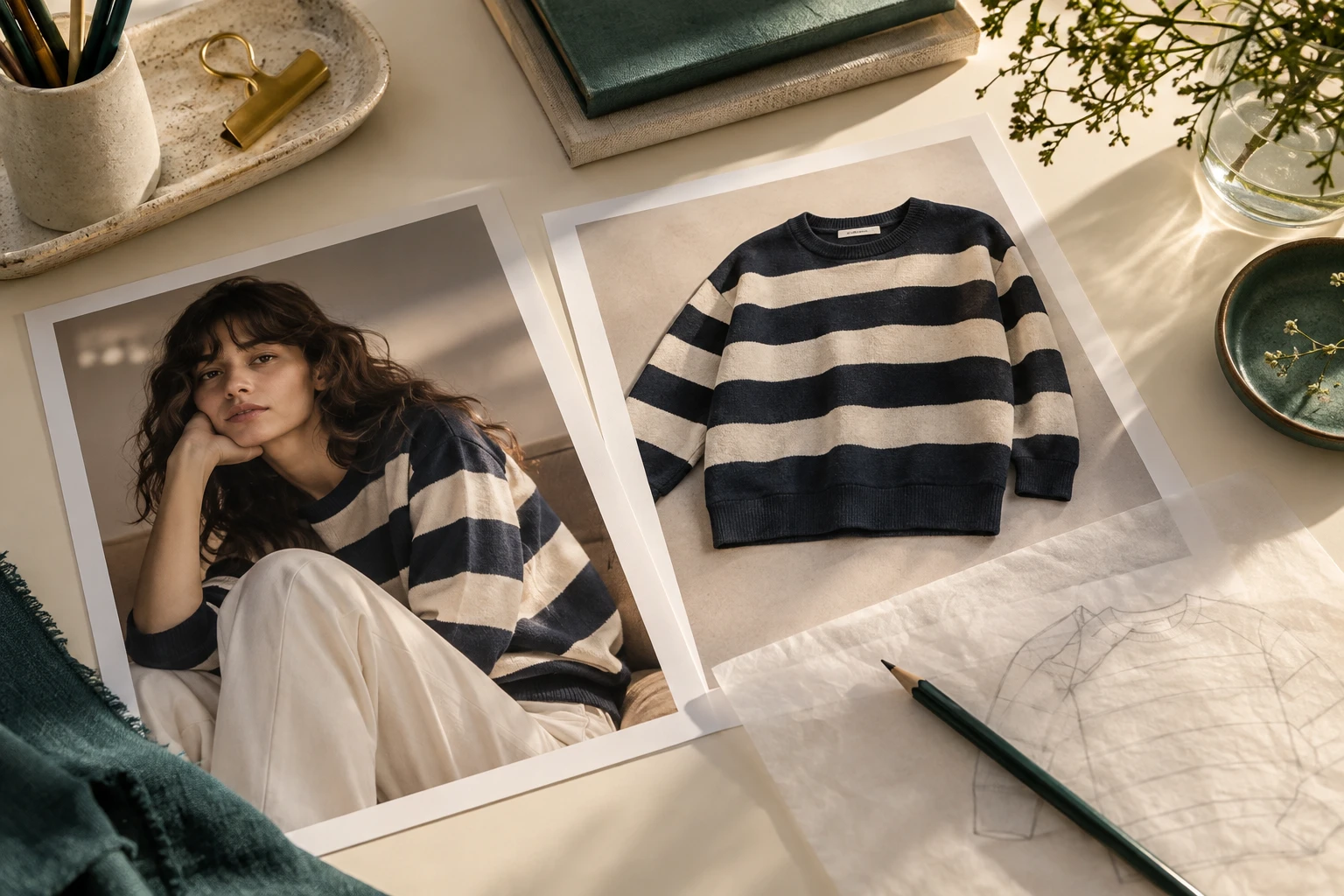
Compare documented Seedream 4.5 and 5.0 Pro editing controls for fashion references, local changes and product review, without invented benchmark scores.
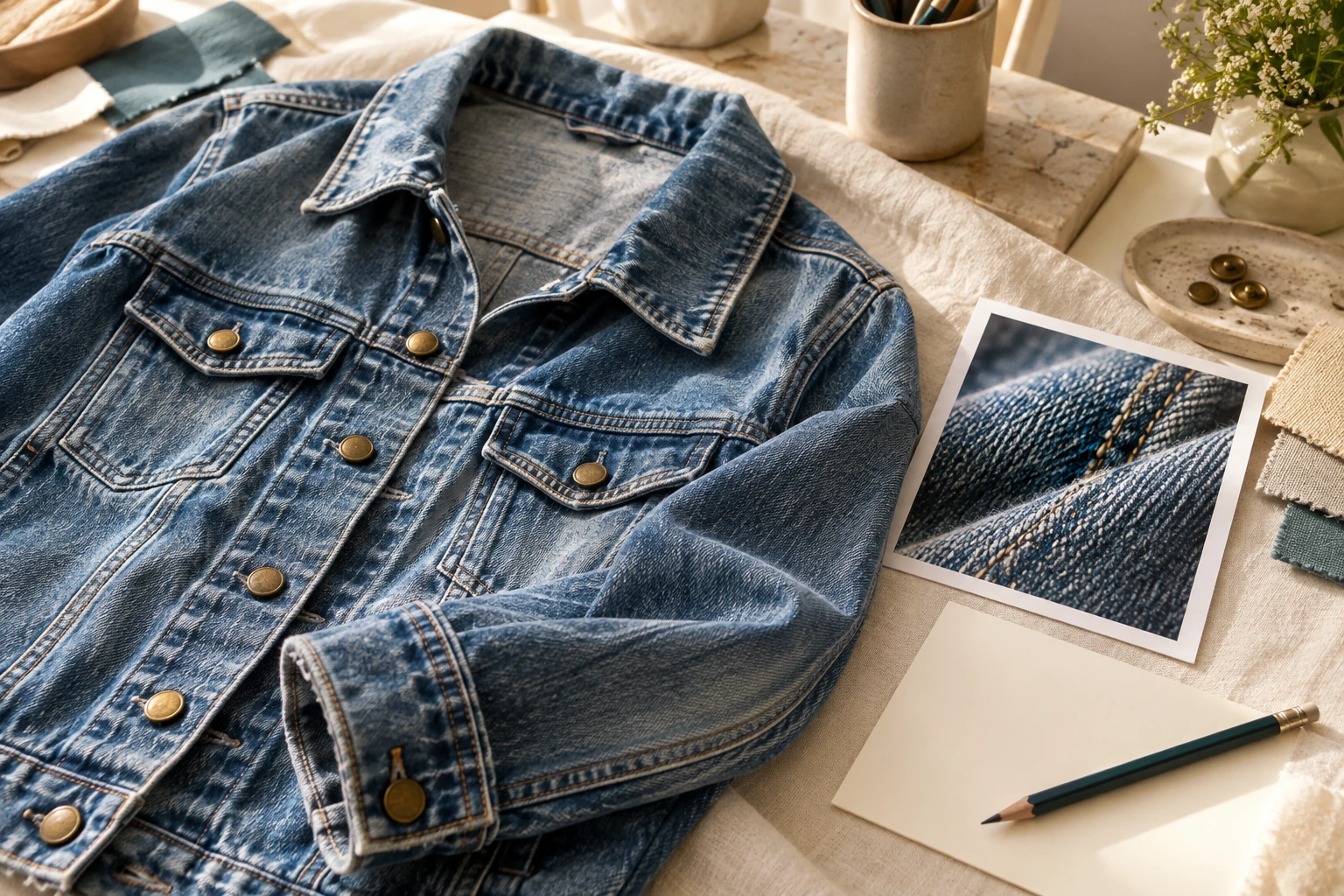
Prepare a GPT Image fashion edit with clear reference roles, garment invariants, local changes and an export review that catches logo and construction drift.
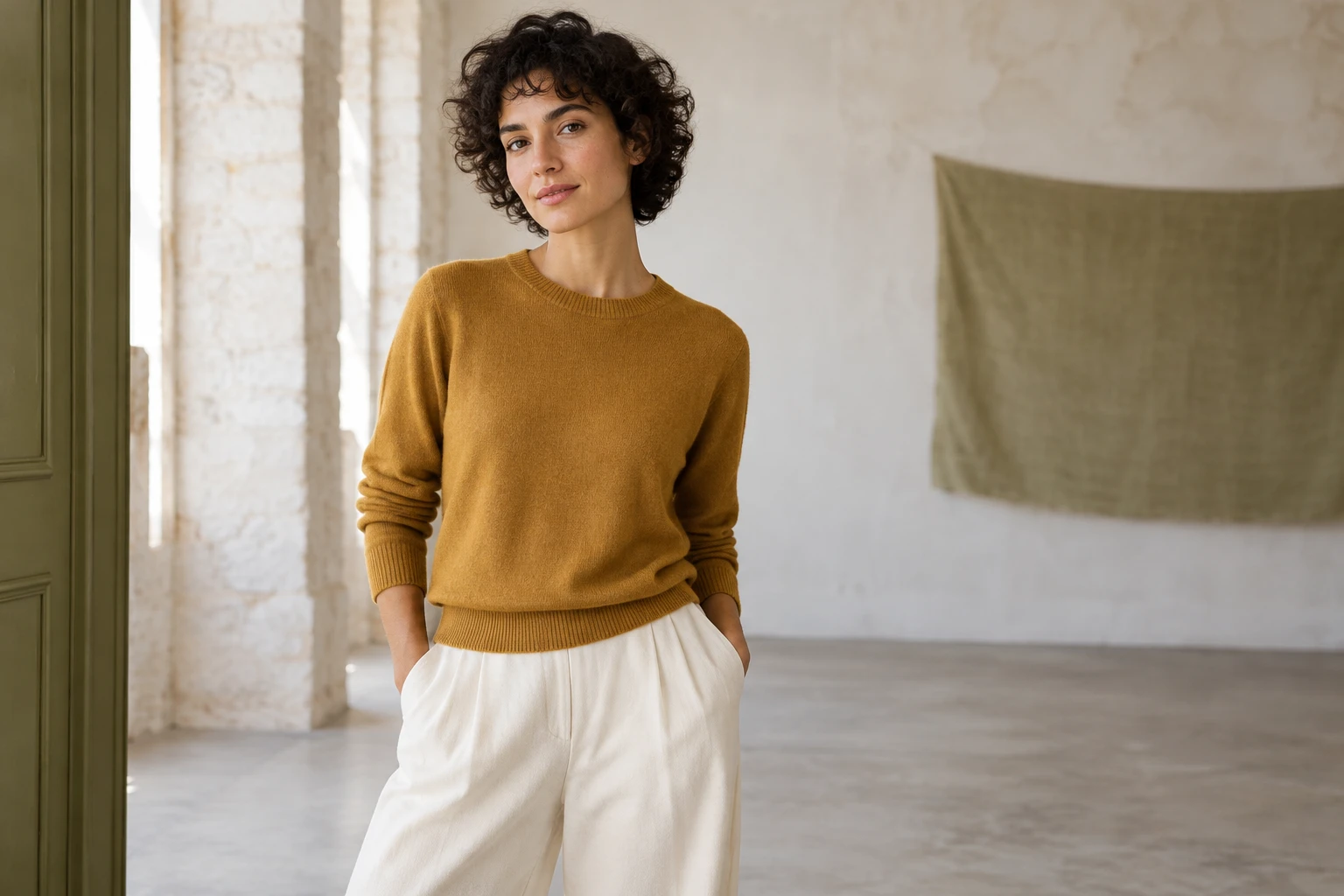
Organize Nano Banana fashion edits around an approved identity, product references, controlled variations and a collection review, with no fabricated model scores.

Separate image-model capabilities from app controls, reference preparation and production review when choosing a fashion try-on workflow.
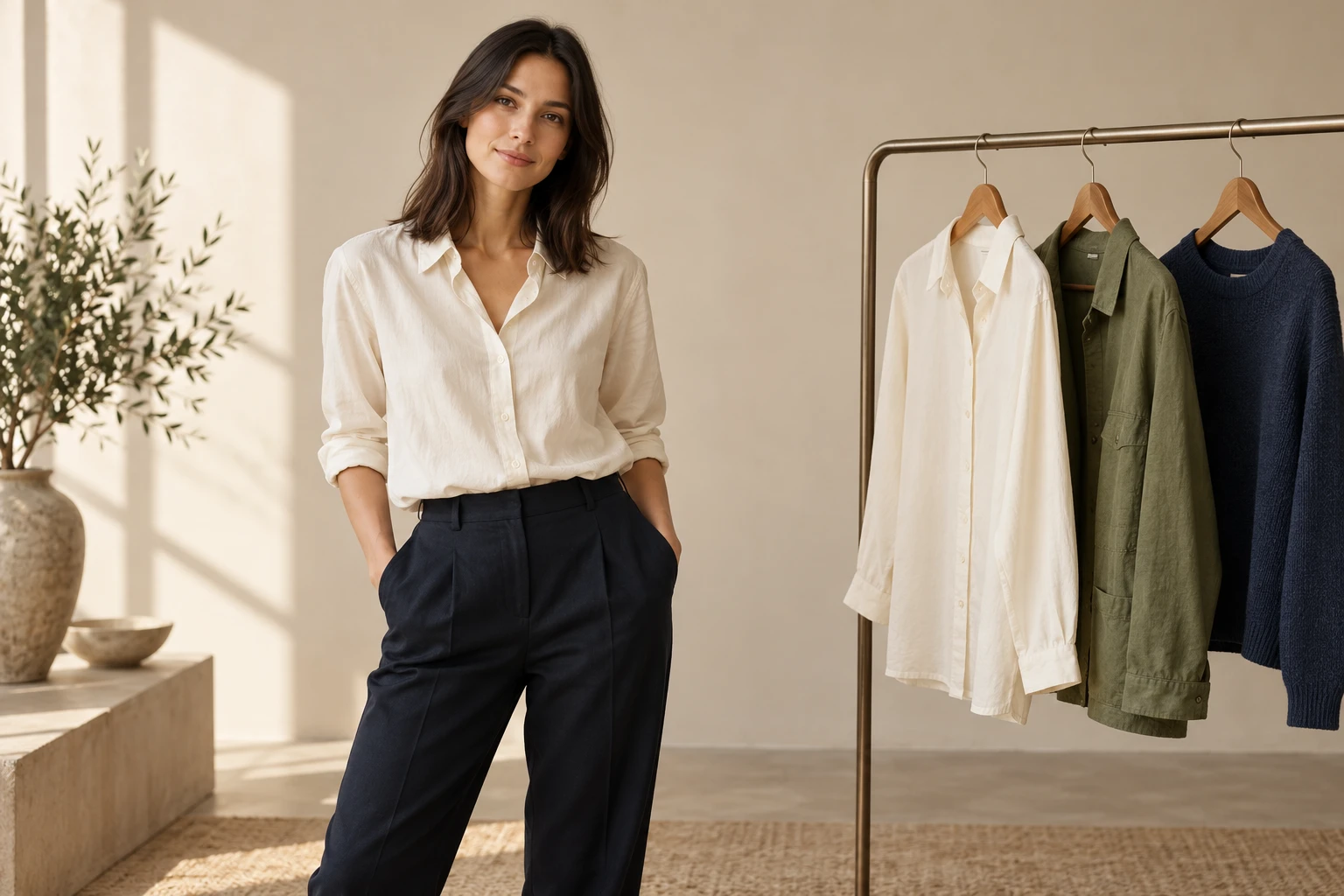
Build an identity sheet, art-direction rules and a review handoff for consistent AI fashion models across a clothing collection.
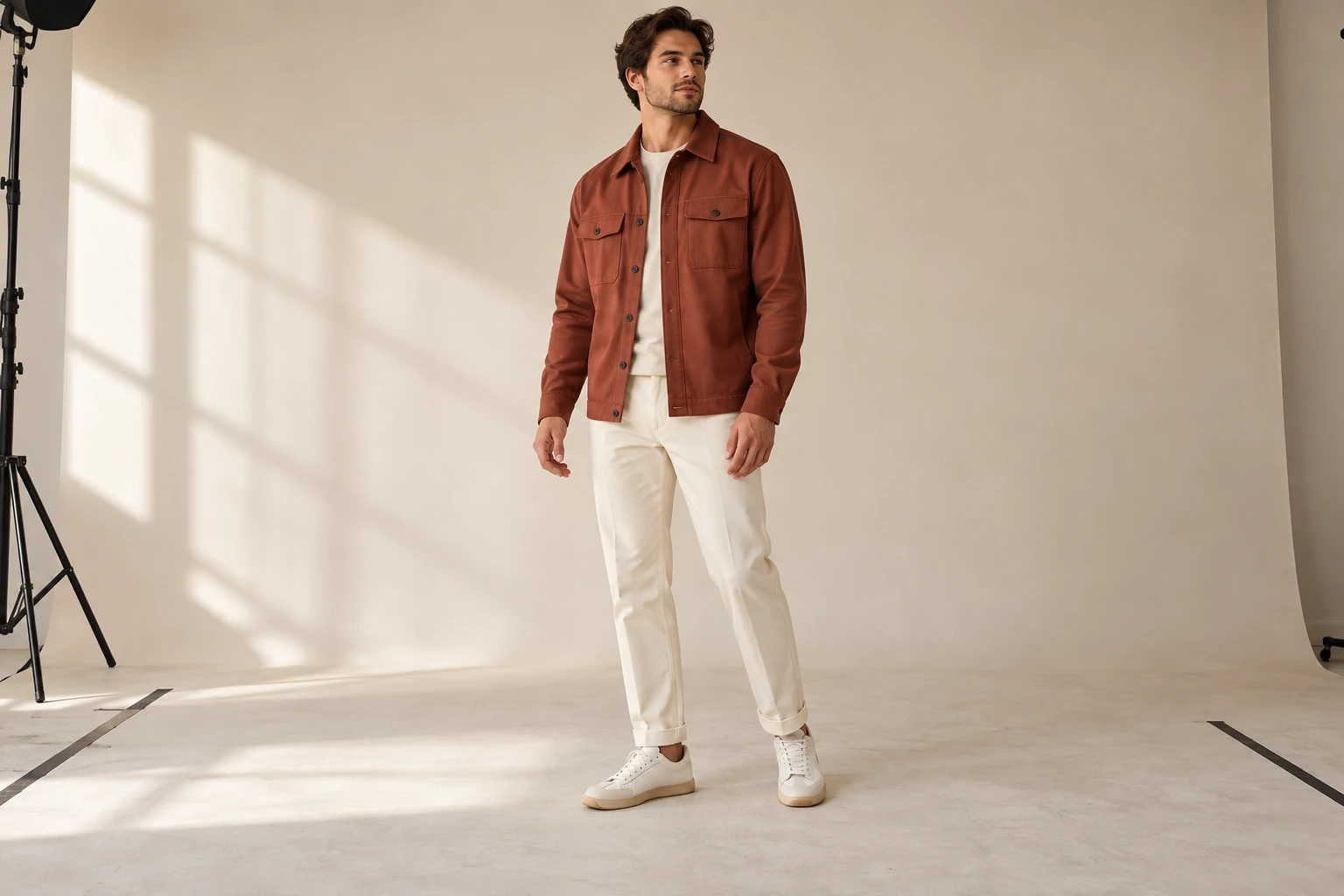
Choose pose references that reveal garment construction, control framing and reduce ambiguous setup decisions in an AI fashion lookbook.
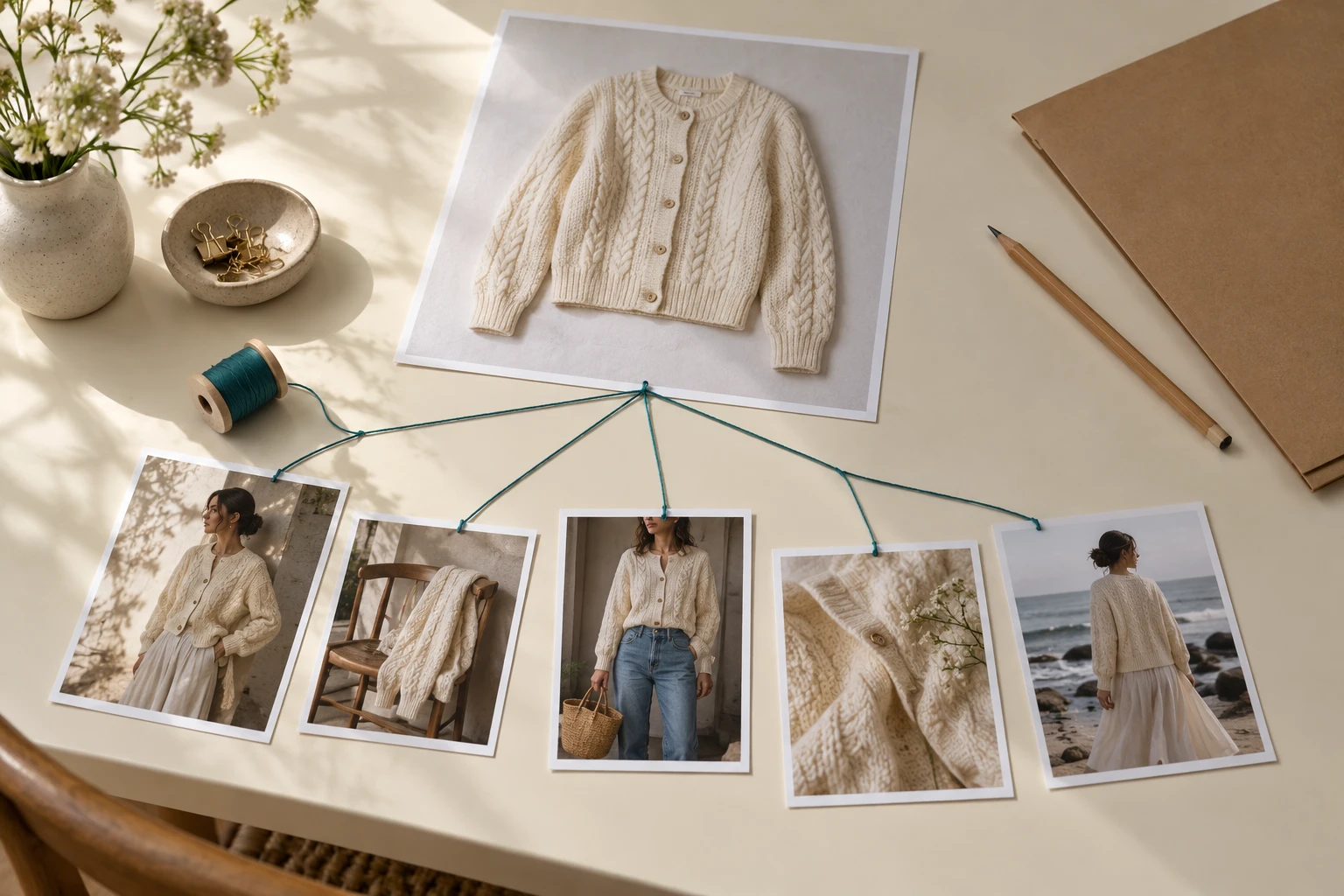
Manage revisions with clean source references, specific change notes and approved branches so an unnoticed garment error does not become the next edit’s starting point.
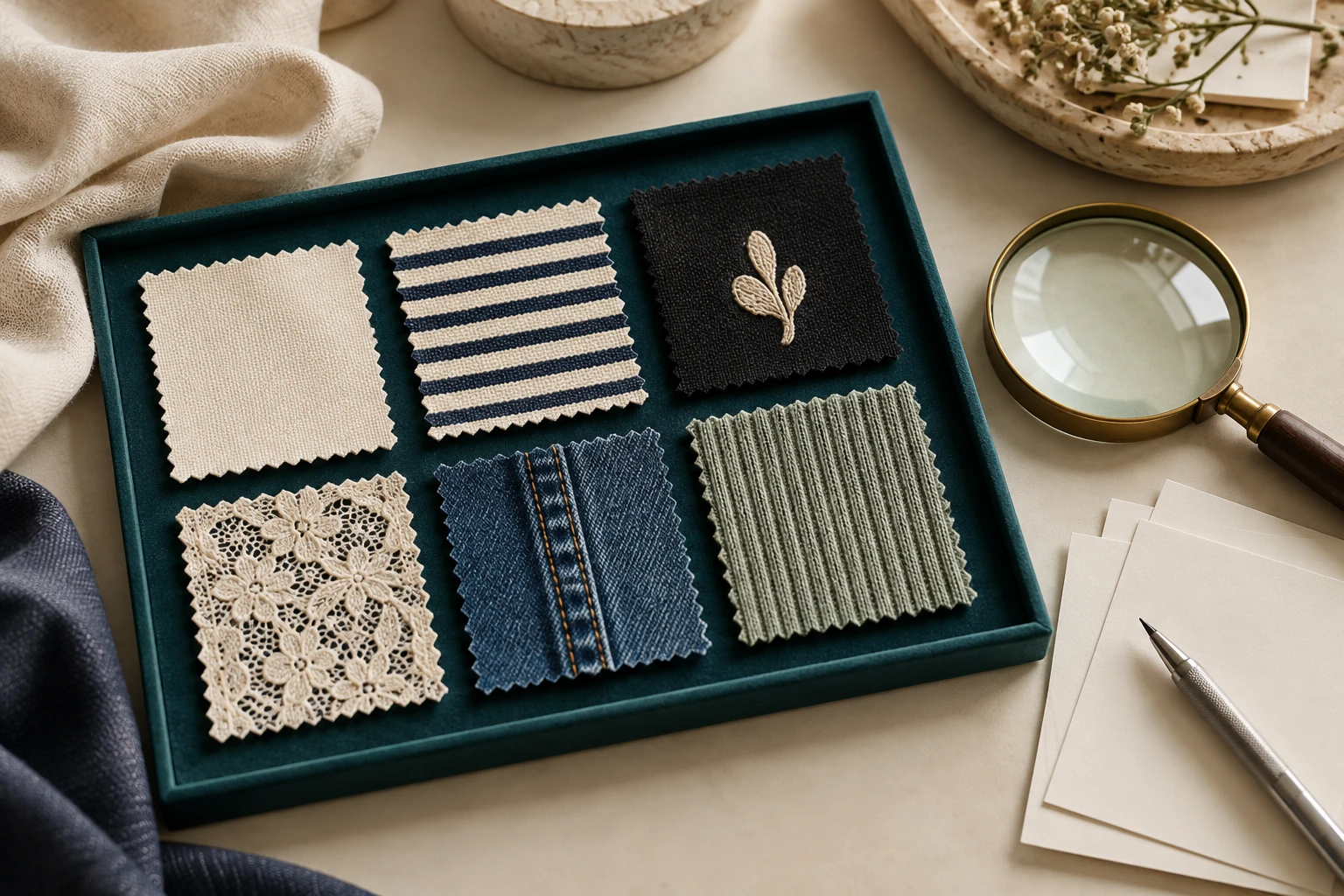
Design a small, useful fashion-image evaluation with representative garments, fixed briefs, product-first review and honest cost records before generating a large set.
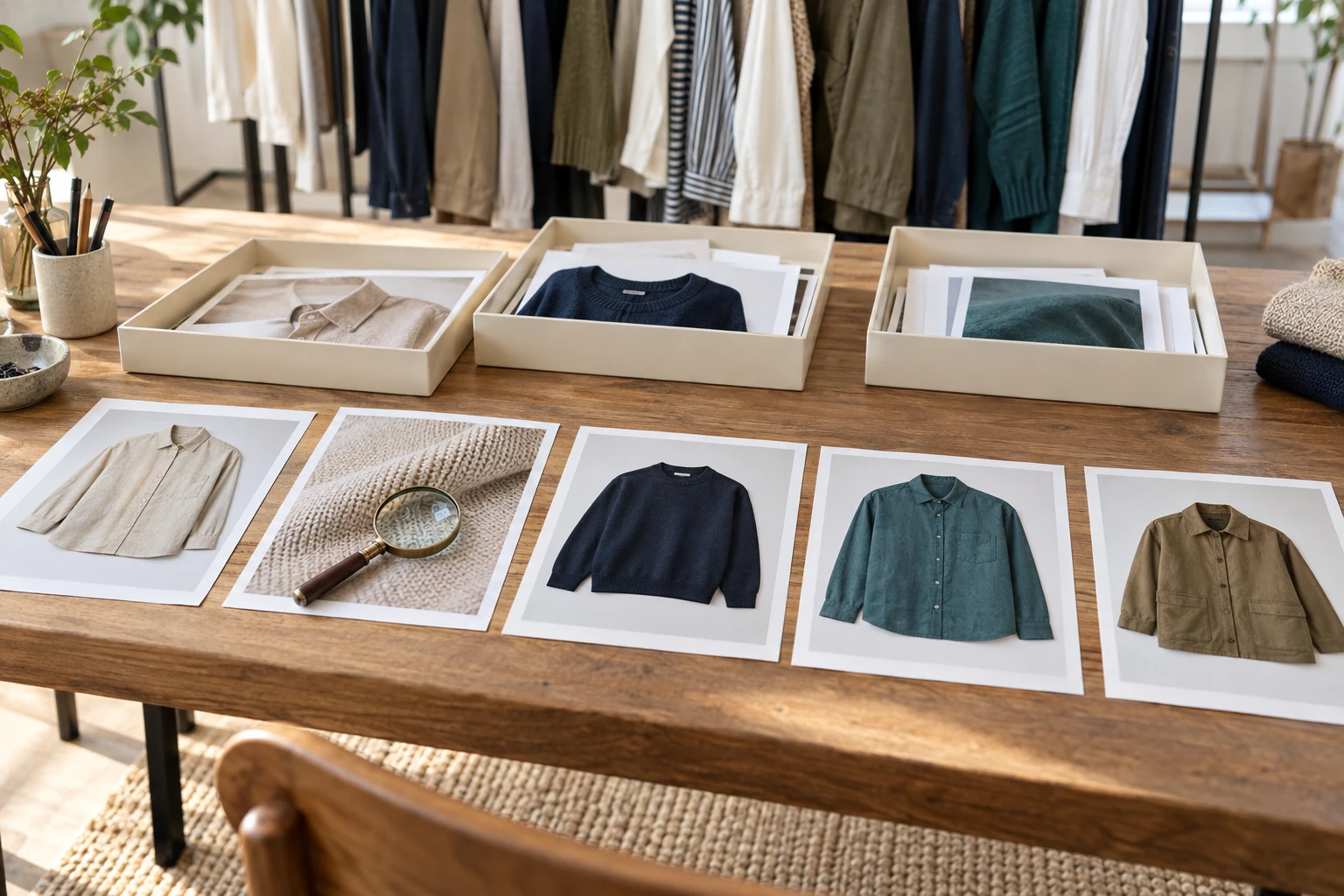
Organize catalog image production with SKU manifests, compatible product groups, exception queues and per-image approval before publishing.
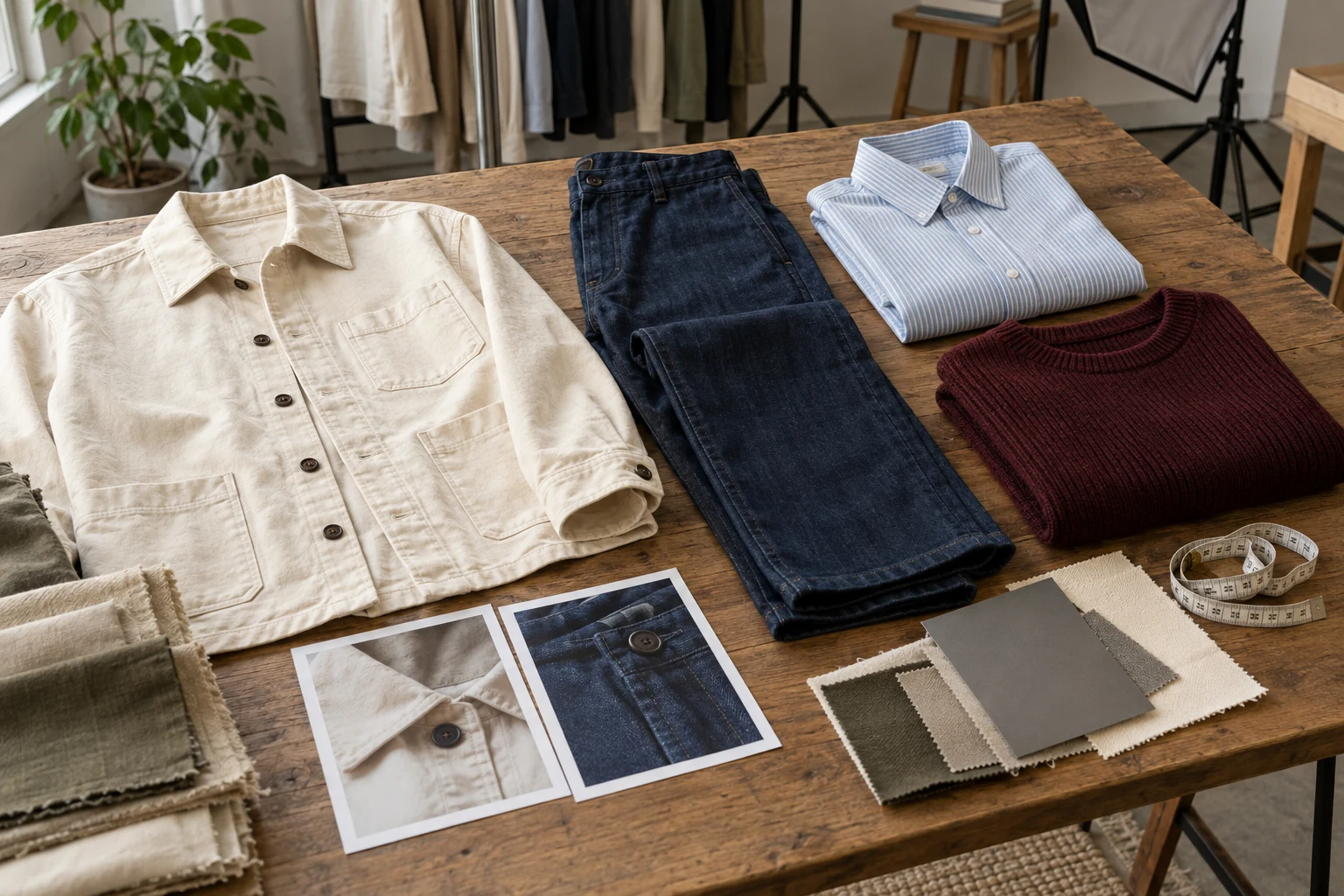
The useful choice starts with what a shopper needs to understand, then assigns a format to that question.
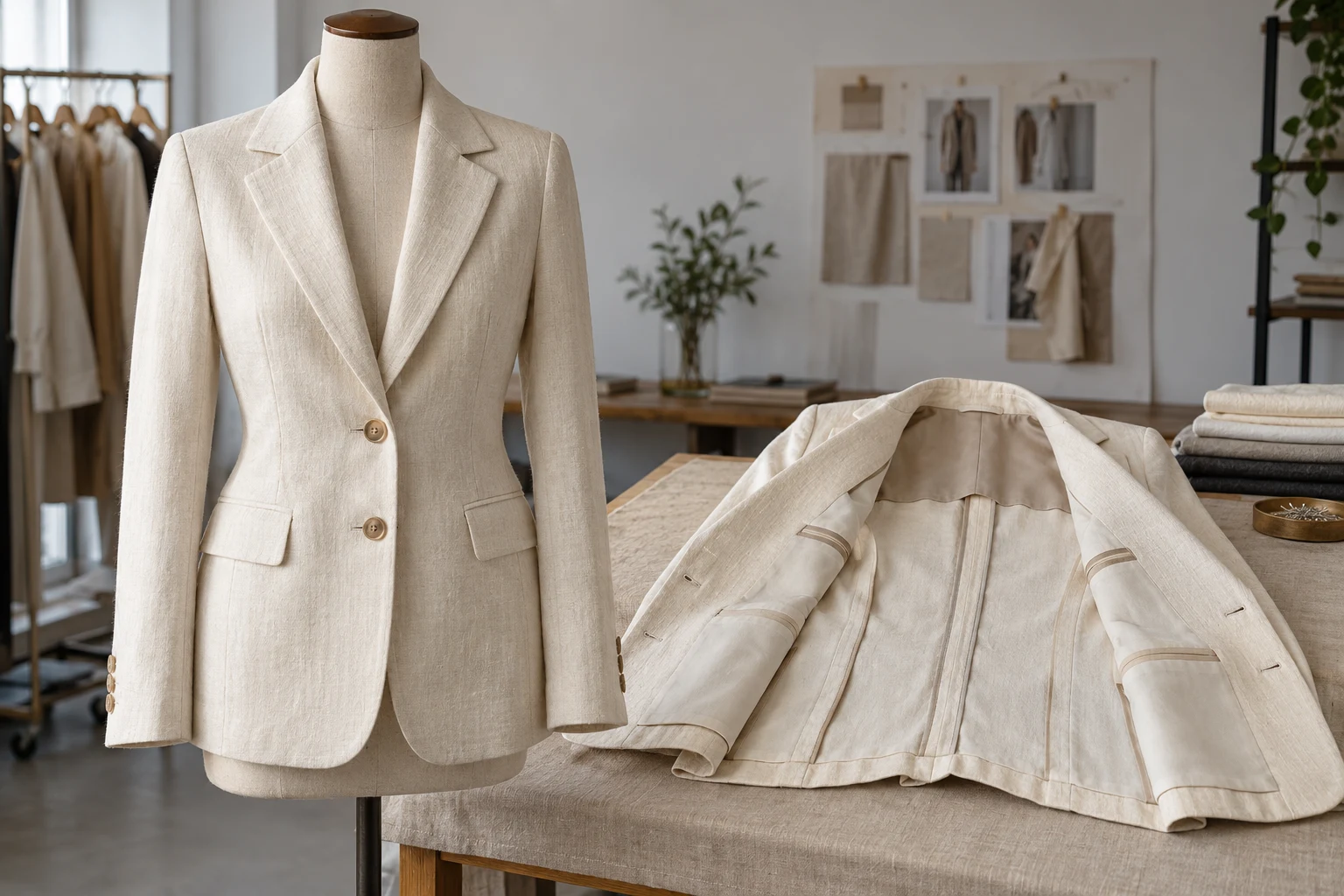
An isolated garment and a styled person solve different catalogue problems. Start with what the product needs to explain.
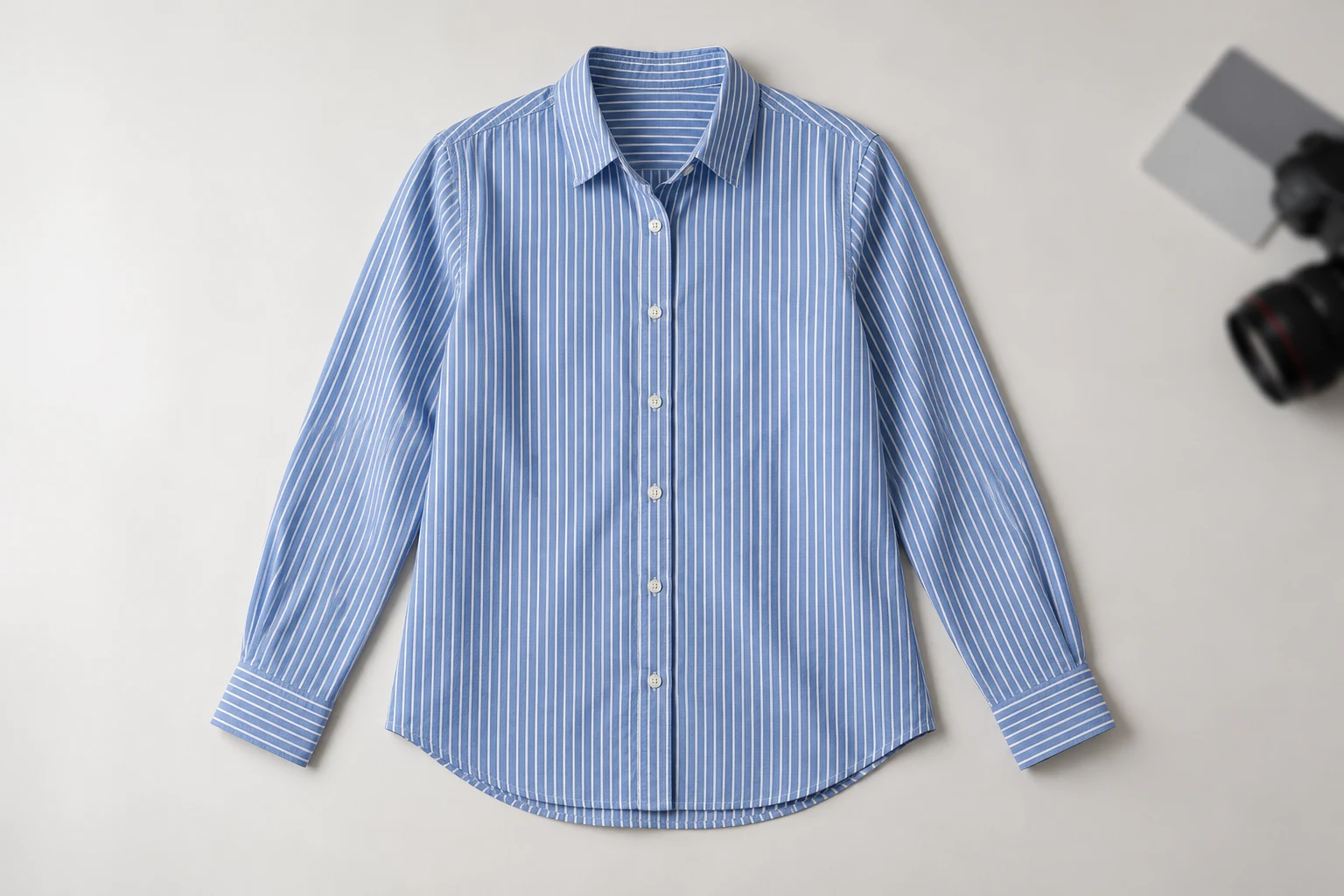
A useful creative file still needs the right product, delivery format and provenance before it becomes a Shopping asset.

Equal pixel dimensions are only one part of a coherent store. Product scale, margins and theme behaviour matter too.
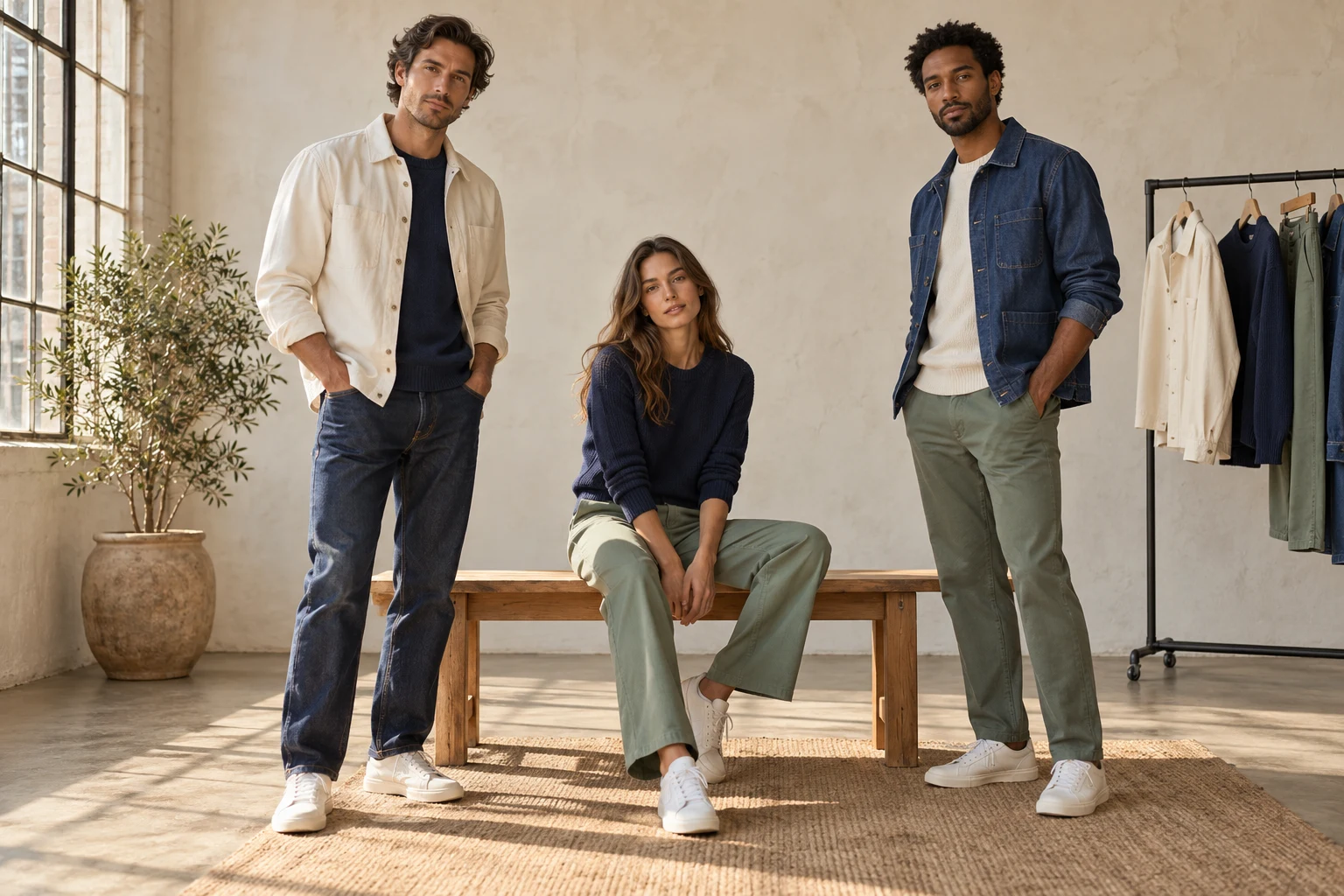
A collection feels connected when shared decisions stay shared and each new frame adds a reason to keep looking.
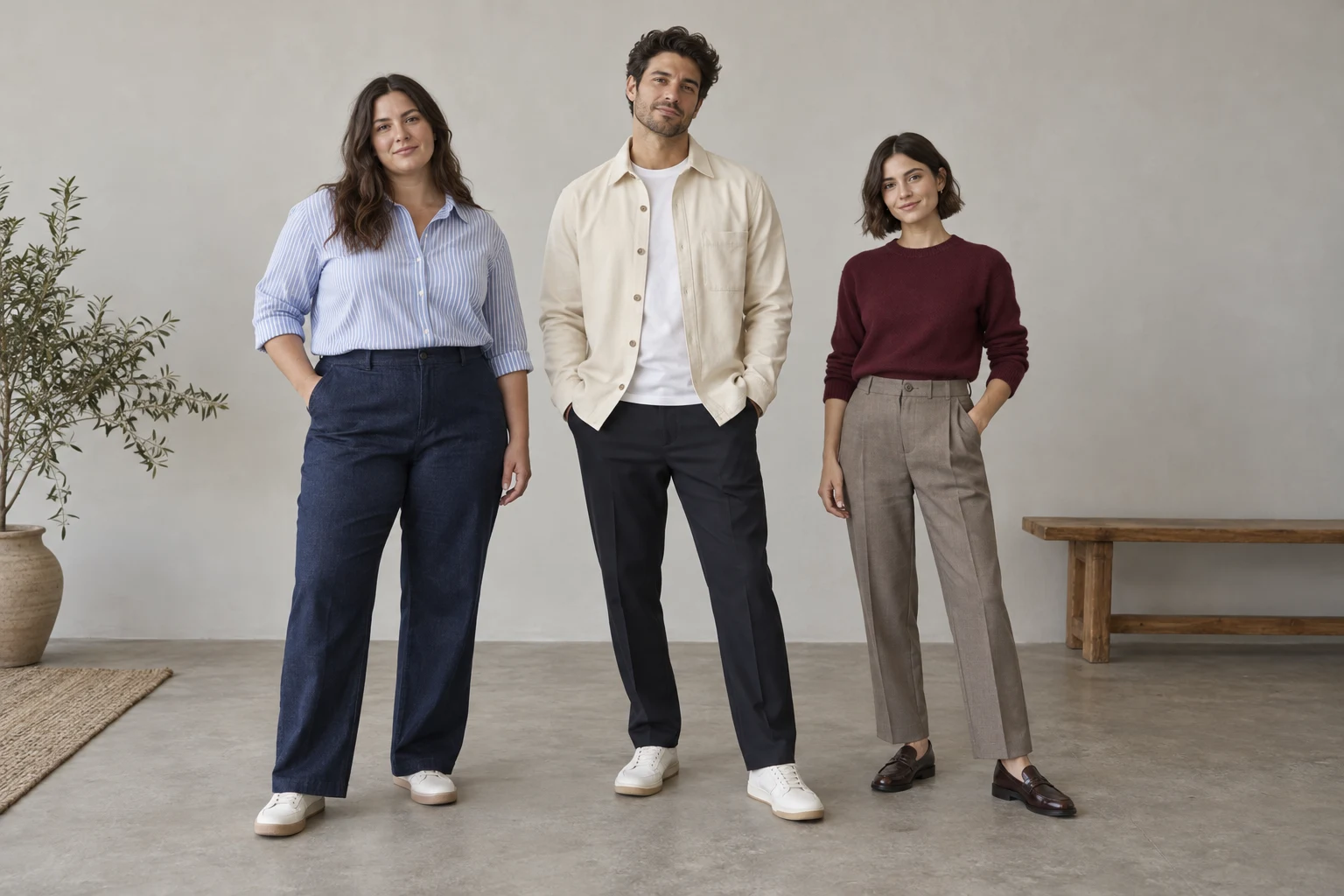
Showing a broader range of people can support a visual story. Predicting how a particular size fits requires a different kind of evidence.
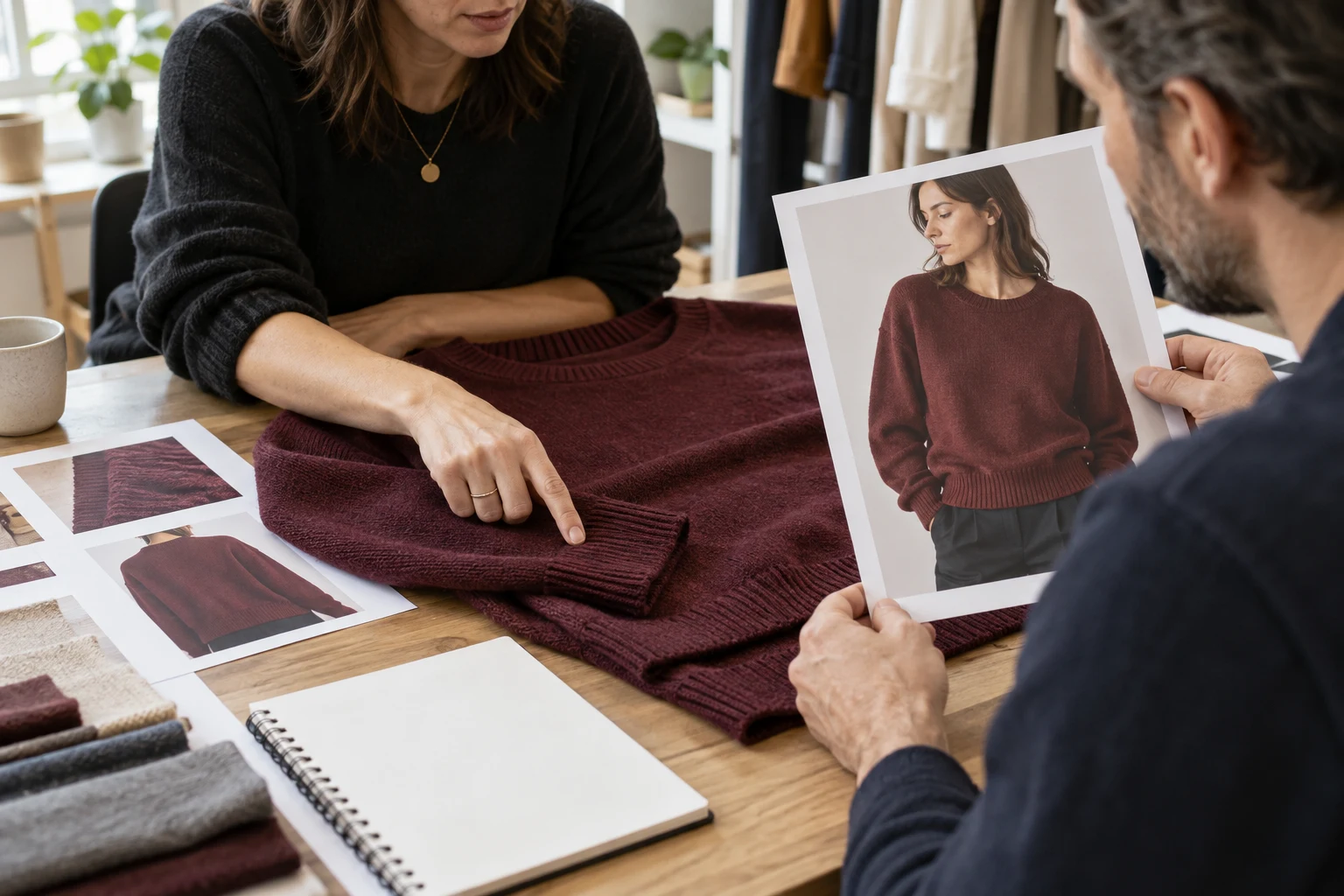
A beautiful preview is a candidate. An approved deliverable has a product match, a purpose and a traceable decision.
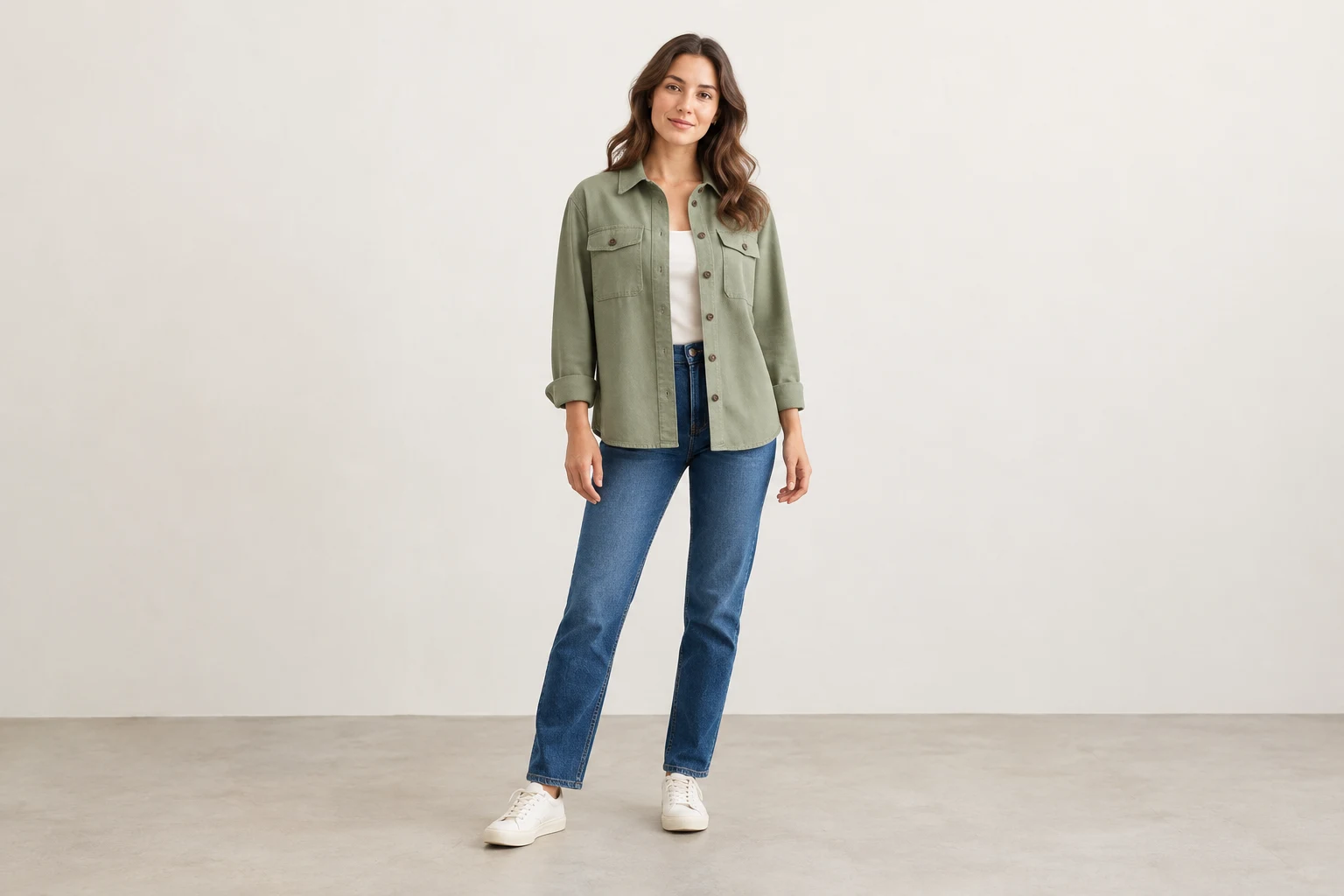
A reusable image starts with enough information in the master. The channel crop should preserve the reason the photograph exists.
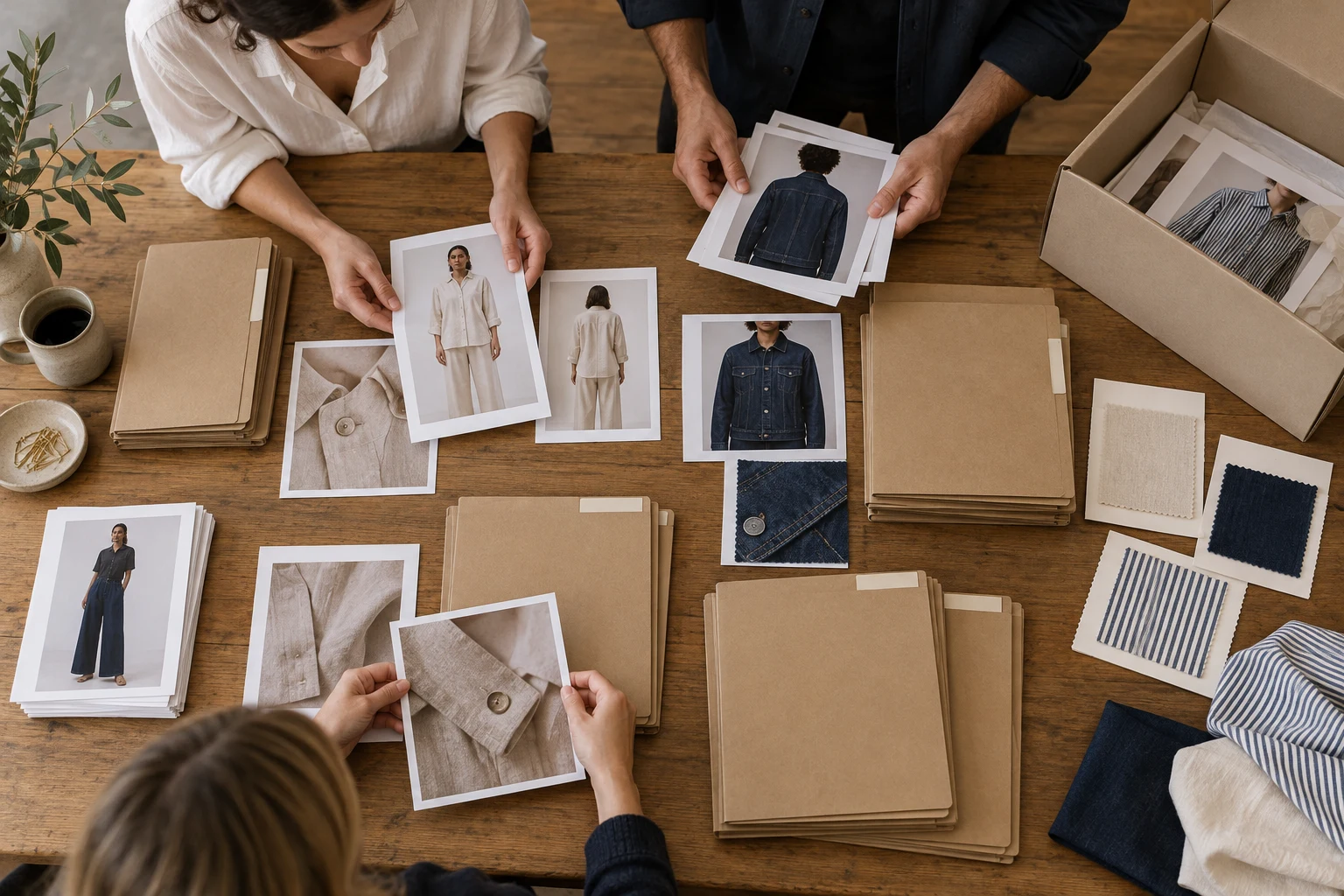
The useful library is the one that helps the next person find the right garment and understand how the reference may be used.
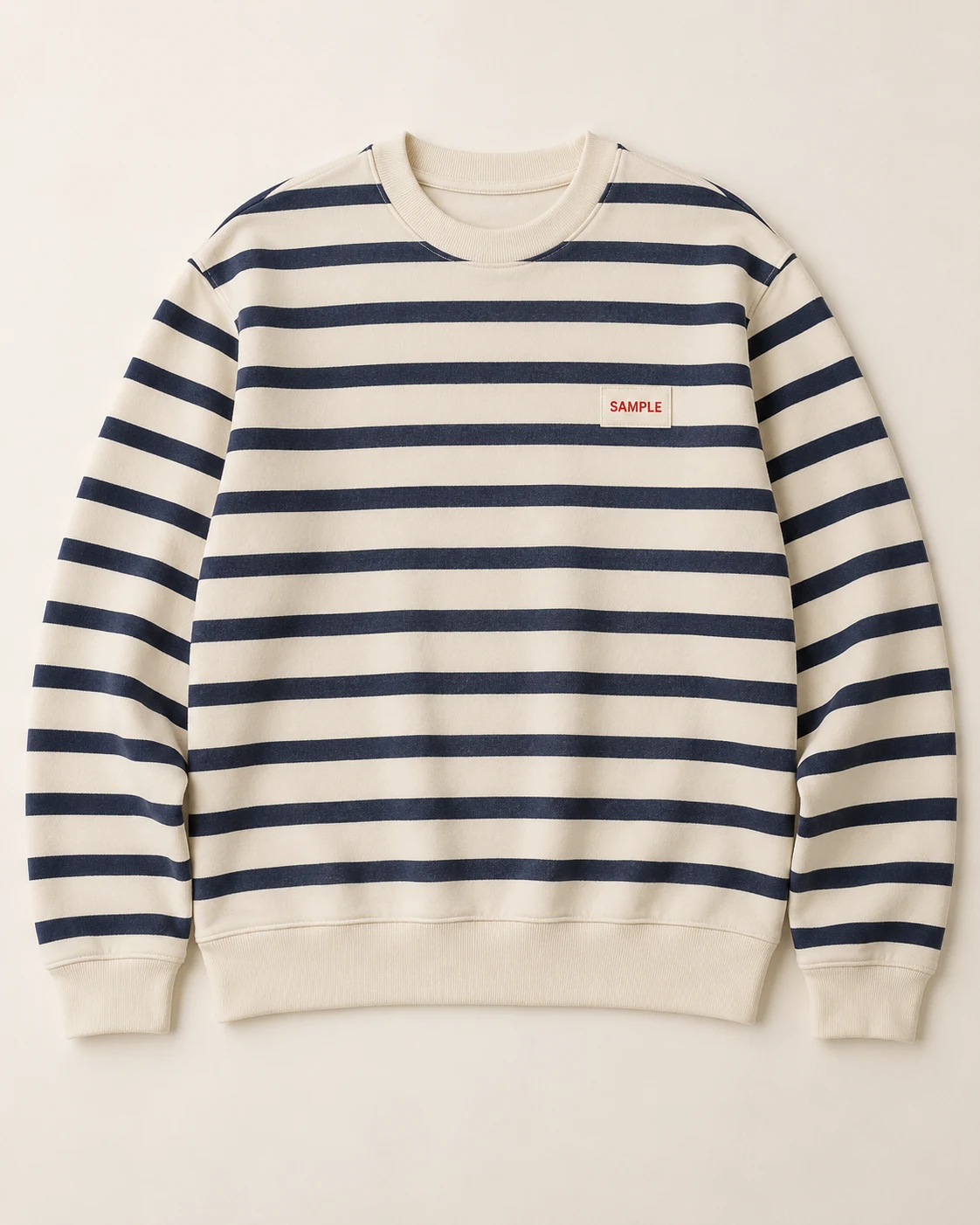
Great-looking photo. Wrong product? Zoom in on the details that decide whether an AI fashion image is ready to use.
A buyer’s guide to four AI fashion workflows: choose by the photographs you already have, the creative decisions you want to make, and the images you need to deliver.
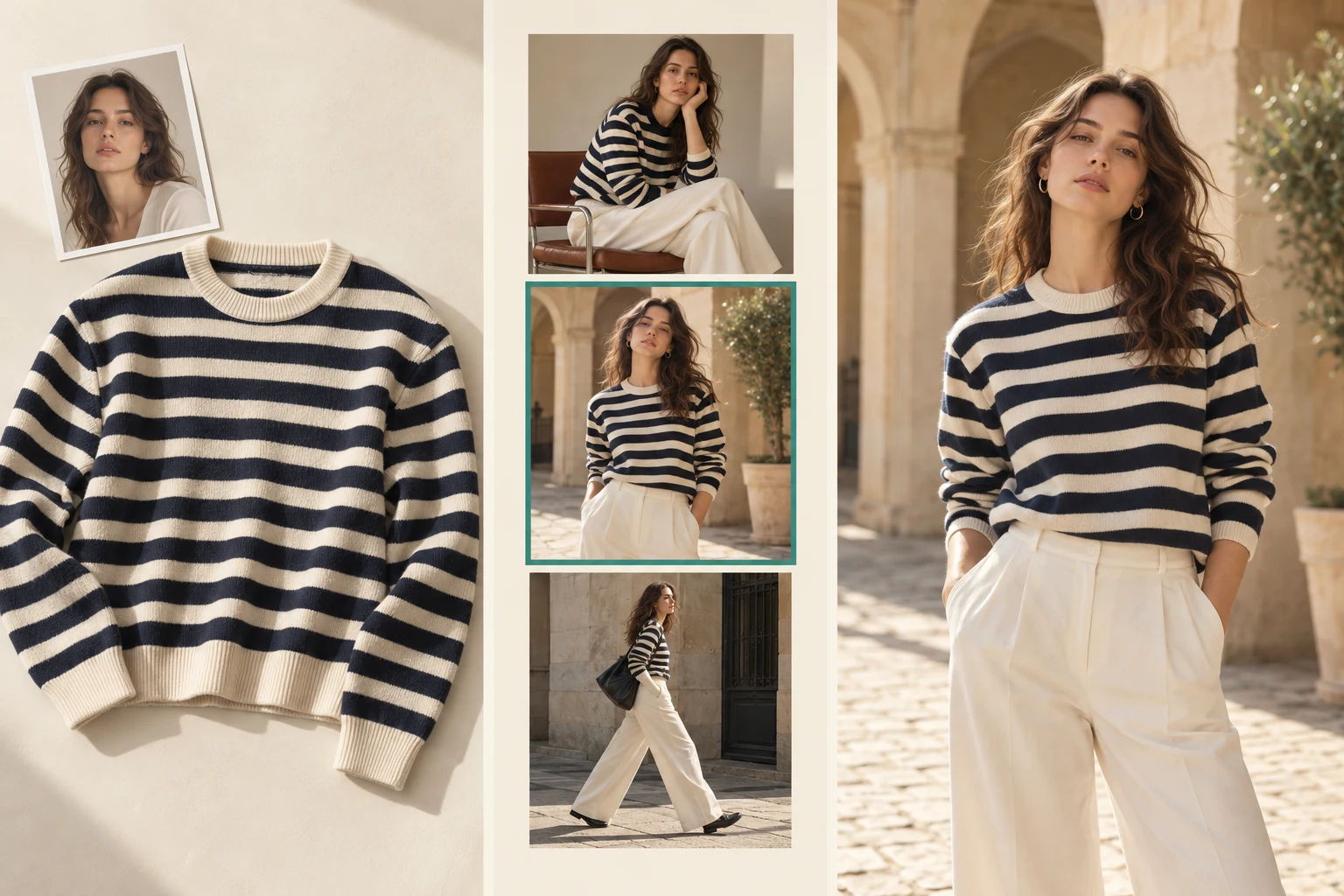
The price of a generation is only part of the job. A useful budget also accounts for preparation, creative decisions, repeated attempts, and product checks.

A practical, garment-first workflow for moving from a product reference to a controlled on-model fashion image.
Why garment identity drifts—and the practical reference, prompting, and review choices that reduce it.
Where AI production helps, where physical shoots remain stronger, and how fashion teams can combine both.
Your product. A model. A scene worth exploring.