Channel-aware framing
Plan square, vertical, wide, and product-led compositions.
Build a reusable product context once, then direct clean product frames, on-model images, marketplace crops, lookbook scenes, and social variations from the same source kit.
AI fashion imagery should be reviewed against the physical product before publishing.
 PDP · 4:5
 Lookbook · wide
 Social · vertical
Plan square, vertical, wide, and product-led compositions.
Keep the same garment, model, and visual direction across outputs.
Compare every final image with the source product.
Production context
References stay attached
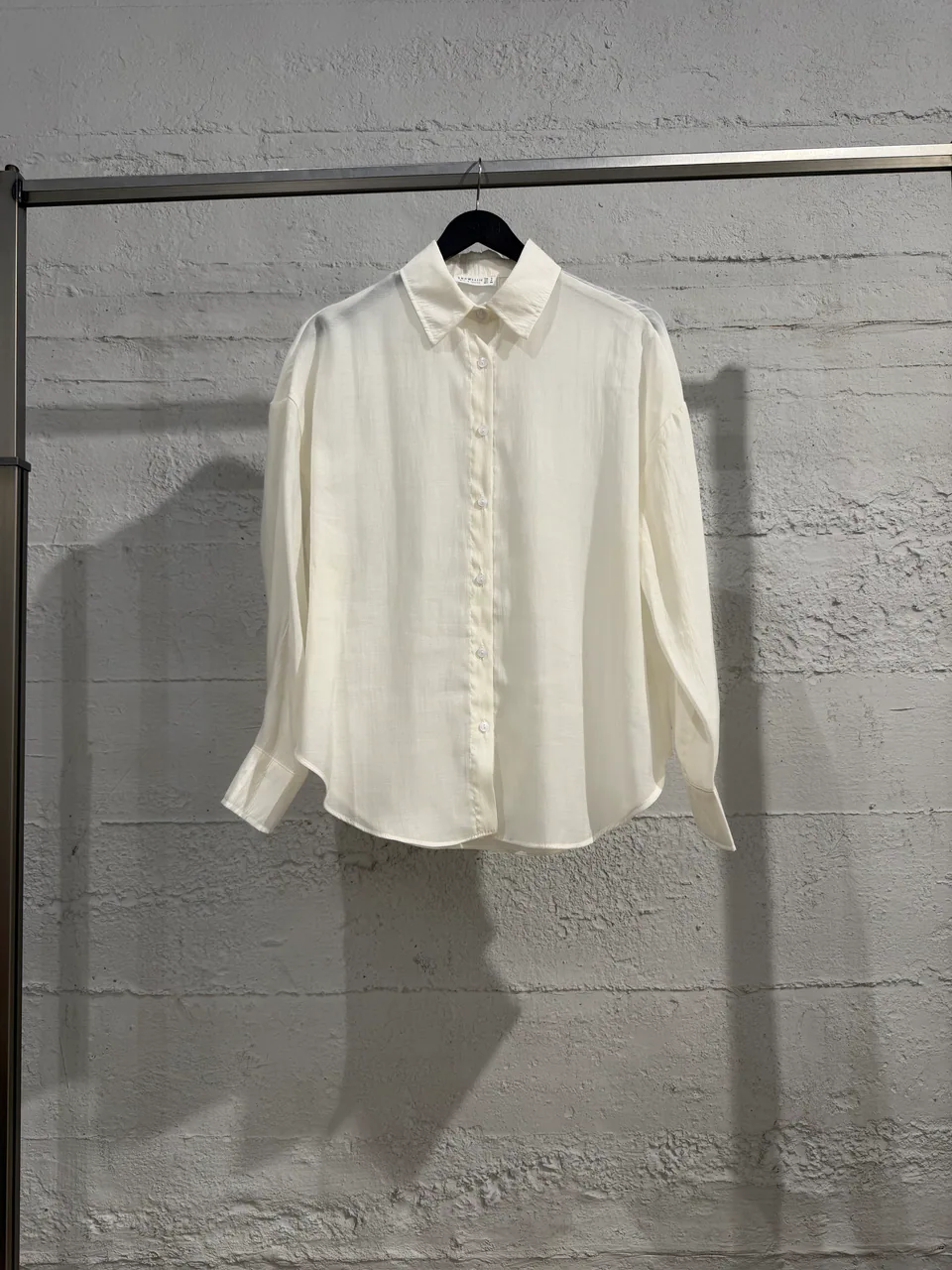
Garment
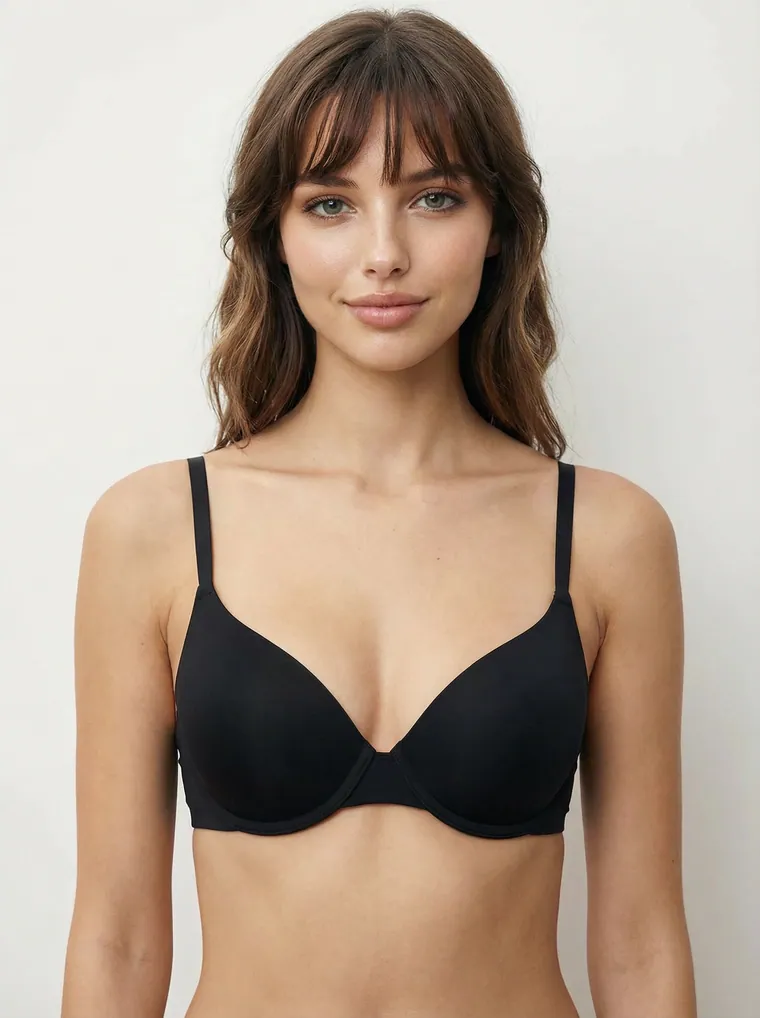
Model

Setting
Ready for direction
3 referencesWhy this workflow matters
A product detail page, marketplace card, launch email, lookbook, and social post each need a different crop and amount of context. A connected production workflow keeps the garment visible while the presentation changes.
Built for real outputs
Lead with garment clarity and a believable on-model view.
Prepare simple, centered crops that survive small cards.
Add movement and context without hiding the product.
Workflow
Keep each decision visible, change one variable at a time, and compare the output with the original garment before approval.
Collect clear garment views and define the product details that must remain visible.
Set the crop, model presence, background, and creative intensity.
Create, compare, archive, and export approved channel variations.
Quick answers
Yes, it can support product pages, marketplace content, lookbooks, and social commerce. Every generated image should be checked against the physical garment before publication.
Yes. The same garment, model, and visual direction can be reused while changing camera, crop, pose, and setting for each channel.
Not in every case. Physical photography remains the strongest product truth for exact fit, fabric behavior, and fine construction. AI is useful for controlled variation and extending existing assets.
Continue exploring